West Virginia withdraws from DOE nuclear campus program after misreading the spent-fuel requirement
West Virginia sent a withdrawal letter to DOE on 30 September 2026, cancelling its bid to become the sixth Nuclear Lifecycle Innovation Campus host after state officials realised spent-fuel storage was mandatory.
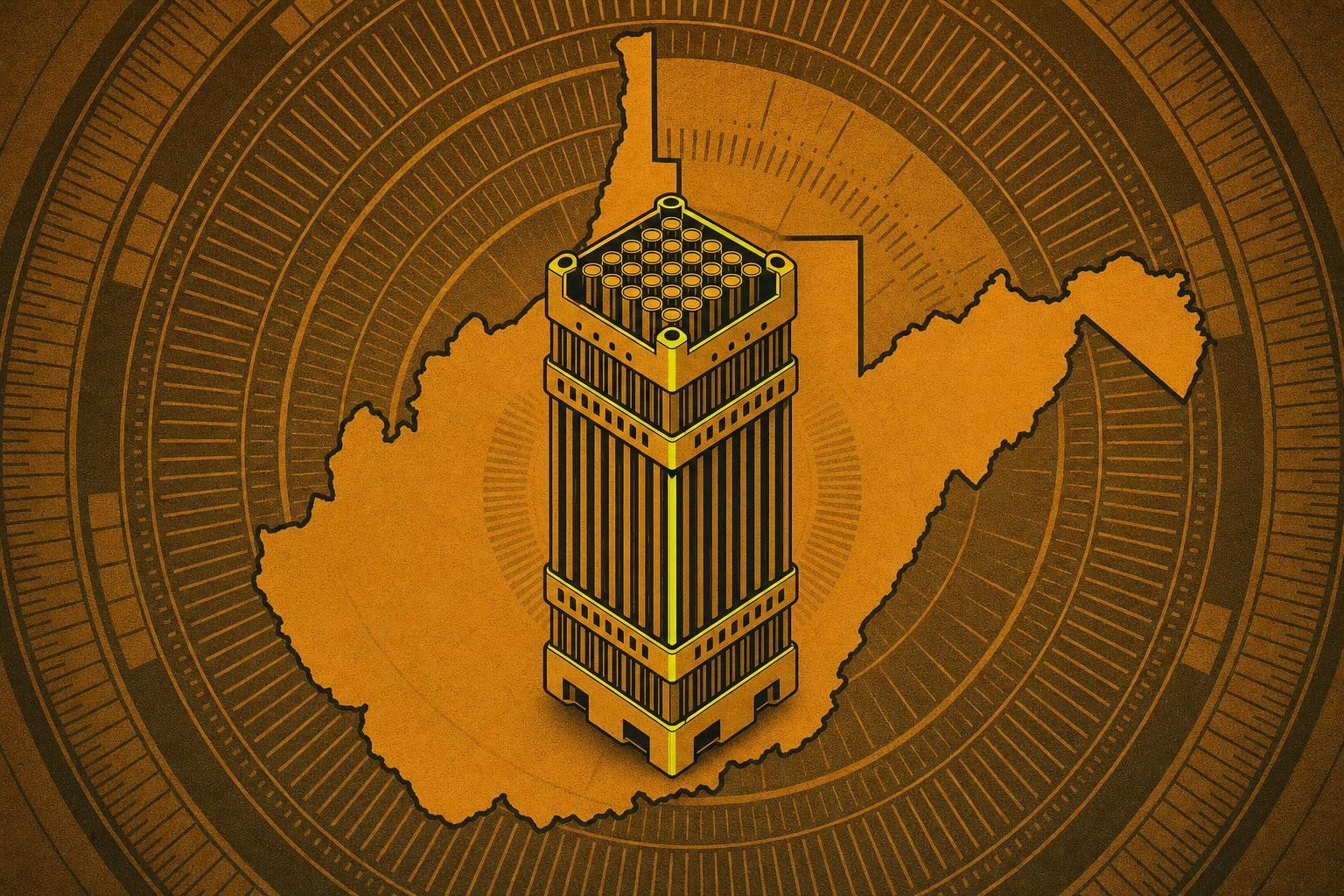
West Virginia sent a letter to the U.S. Department of Energy on 30 September 2026 withdrawing from the Nuclear Lifecycle Innovation Campus (NLIC) program[1], less than a month after signing a memorandum of understanding with Energy Secretary Chris Wright on 2 September[1]. The state had positioned itself as a surprise sixth entrant to a program that had already selected five states through a competitive process.
What the program actually requires
The NLIC initiative is designed to rebuild the U.S. nuclear industrial base through integrated regional ecosystems spanning the full fuel cycle[1]. DOE's solicitation documents make clear that proposed campuses must cover fuel fabrication, enrichment, reprocessing of used nuclear fuel, and the disposition of radioactive waste. The development functions - advanced reactors, power generation, co-located data centres - are explicitly described as "optional and market dependent"[1].
That hierarchy appears to have caught West Virginia's leadership off guard. State Office of Energy Director Nicholas Preservati sent the withdrawal letter to Marla Morales, acting deputy assistant secretary in DOE's Office of Nuclear Energy, stating that West Virginia could not execute the required hosting agreement[1]. Governor Patrick Morrisey said the state would not serve as a dumping ground for waste, and that his administration's nuclear ambitions were focused on generation and manufacturing - precisely the optional elements of the program, not the mandatory ones[1].
The Energy Communities Alliance had flagged the spent-fuel obligation in a report published last July, and DOE's own solicitation documents stated it plainly[1]. The requirement was not buried.
How West Virginia entered the program
DOE selected the original five finalist states - Utah, Tennessee, Oklahoma, Louisiana, and Idaho - on 28 July 2026, following a review of 28 applications from 26 states. Energy Secretary Chris Wright signed non-binding MOUs with each of those five states to advance to the next phase of evaluation.
West Virginia's addition came outside that competitive process[1]. It is not clear what prompted DOE to add the state as a sixth participant beyond the bounds of the standard procurement[1]. The state's MOU was first obtained by the Charleston Gazette-Mail and WV MetroNews through Freedom of Information Act requests - suggesting the arrangement was not publicly announced in the normal way.
West Virginia had submitted a 48-page response to DOE's earlier request for information, describing a broad campus vision that included nuclear generation, manufacturing, fuel recycling, and spent-fuel storage. That April submission acknowledged the waste-handling component; the September withdrawal suggests the political calculus shifted once the MOU's binding implications became clear.
What the remaining five states face
DOE estimates that an individual campus could attract up to $50 billion in capital investment and create nearly 25,000 jobs, though those figures represent the potential scale of the concept rather than projections for any specific state. The five remaining candidates - Utah, Tennessee, Oklahoma, Louisiana, and Idaho - are continuing negotiations with DOE. No timeline for selecting final host sites has been publicly announced.
The West Virginia episode sharpens the political risk facing any state in the program. Hosting an NLIC means accepting spent nuclear fuel as a primary obligation, with the economic development benefits contingent on market conditions and federal follow-through. Governors who entered the competition on the strength of the jobs and investment numbers will face the same public pressure Morrisey encountered - and the same question about whether the waste-handling commitment is politically sustainable.
West Virginia's next move, according to Morrisey, is to pursue small modular reactors and nuclear manufacturing independently of the NLIC framework. Whether DOE will engage with that approach outside the campus program remains to be seen.
The images and texts on this page were created with the help of AI.
Related
 Markets & Policy
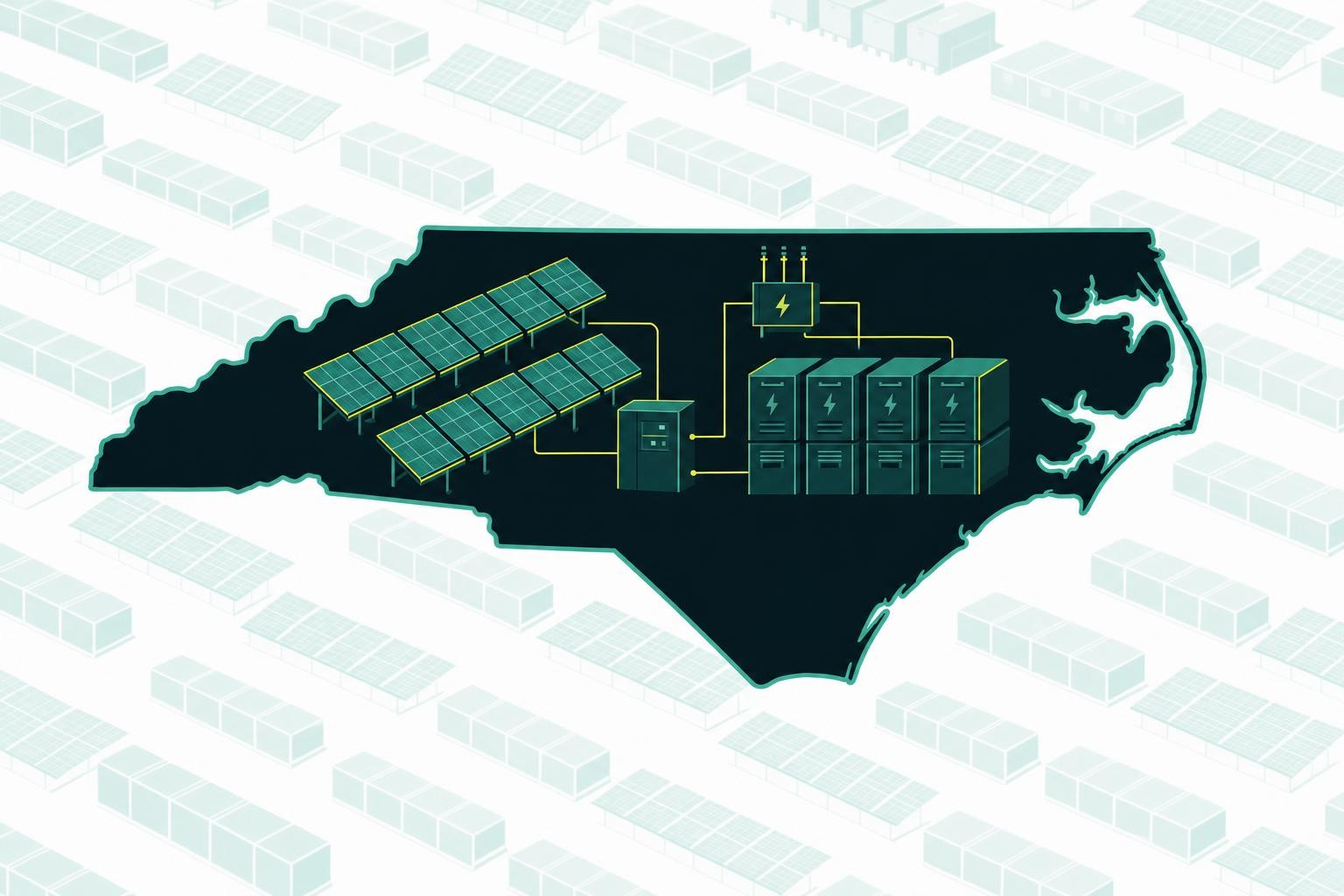
Beacon of Hope food pantry in Marshall, NC switches on first microgrid in state's $5 million Helene resilience program
Beacon of Hope Food Pantry in Marshall, NC has energised the first of 26 planned microgrids in a $5 million state program - but domestic-content rules are narrowing which sites can follow.
13 Oct 2026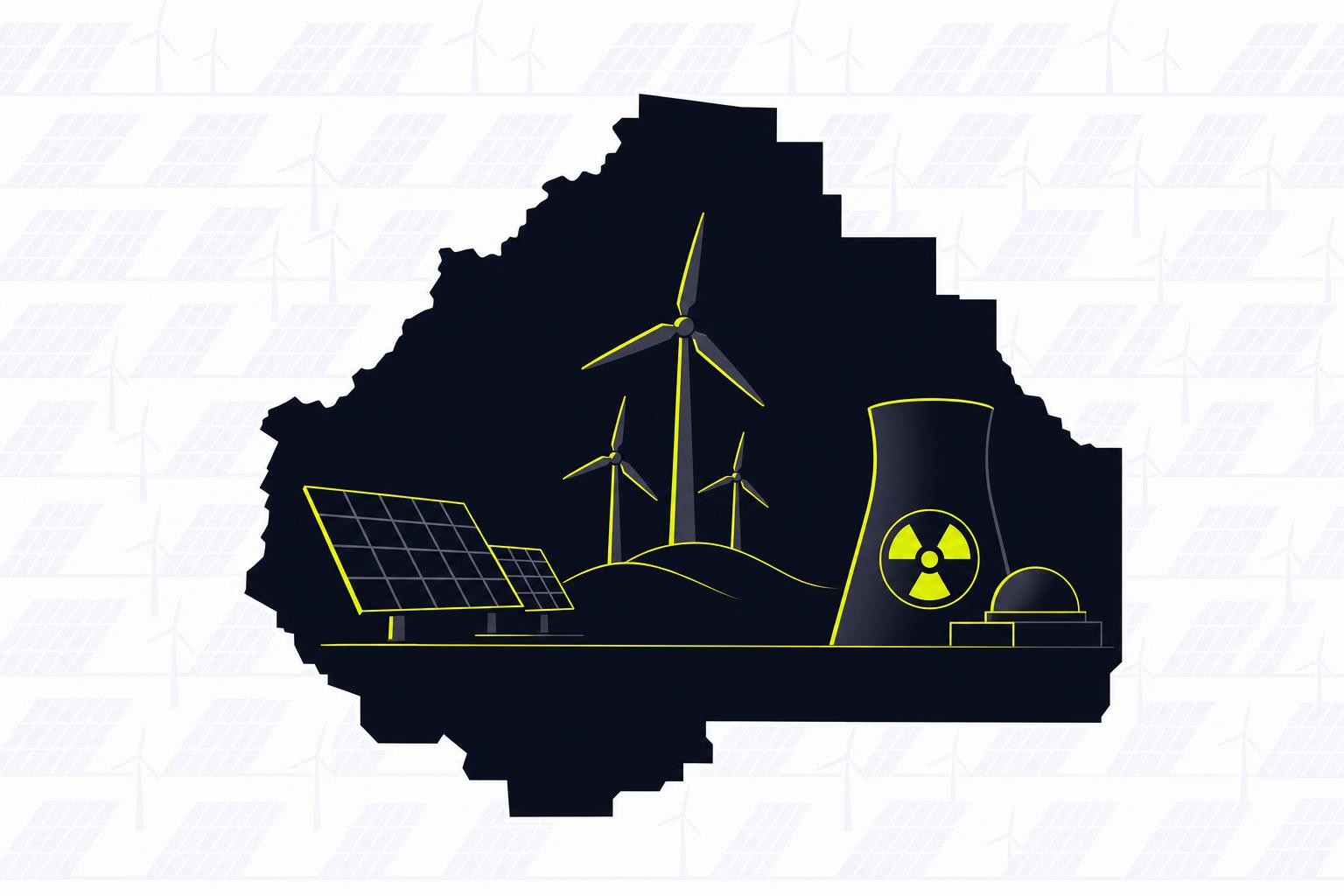 Markets & Policy
Bannock County, Idaho set to vote this fall on reversing its 2024 utility-scale renewables ban
Bannock County commissioners will vote this fall on a new ordinance that would lift a March 2024 ban on utility-scale solar and wind - and add nuclear - after Hecate Energy pulled out entirely.
13 Oct 2026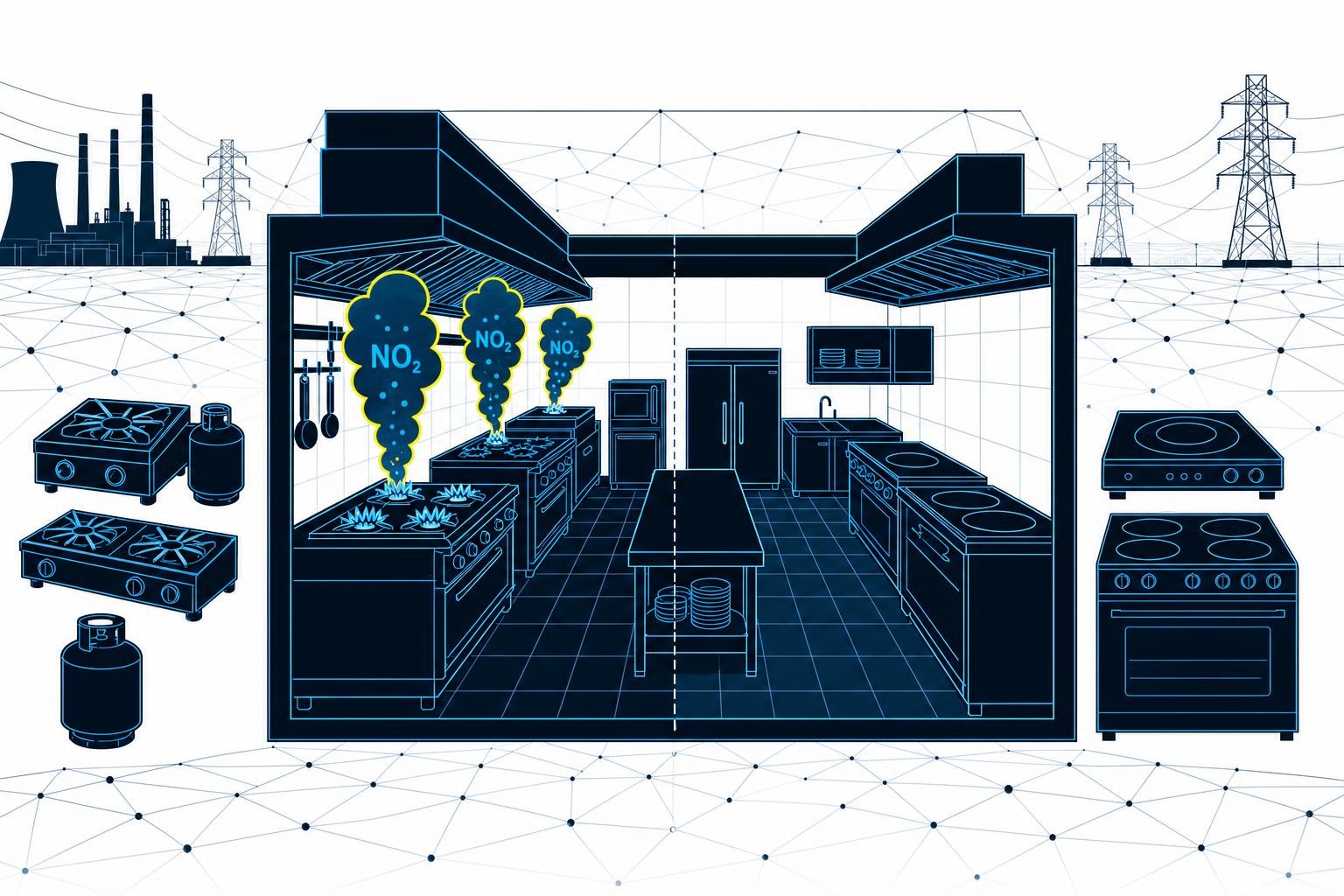 Markets & Policy
First U.S. study of real commercial kitchens finds gas and propane appliances push NO₂ above EPA limits in 70% of sites
A peer-reviewed study published 6 October 2026 in Environmental Research Letters finds gas and propane commercial kitchens routinely exceed EPA nitrogen dioxide limits, while all-electric kitchens do not.
13 Oct 2026