Beacon of Hope food pantry in Marshall, NC switches on first microgrid in state's $5 million Helene resilience program
Beacon of Hope Food Pantry in Marshall, NC has energised the first of 26 planned microgrids in a $5 million state program - but domestic-content rules are narrowing which sites can follow.
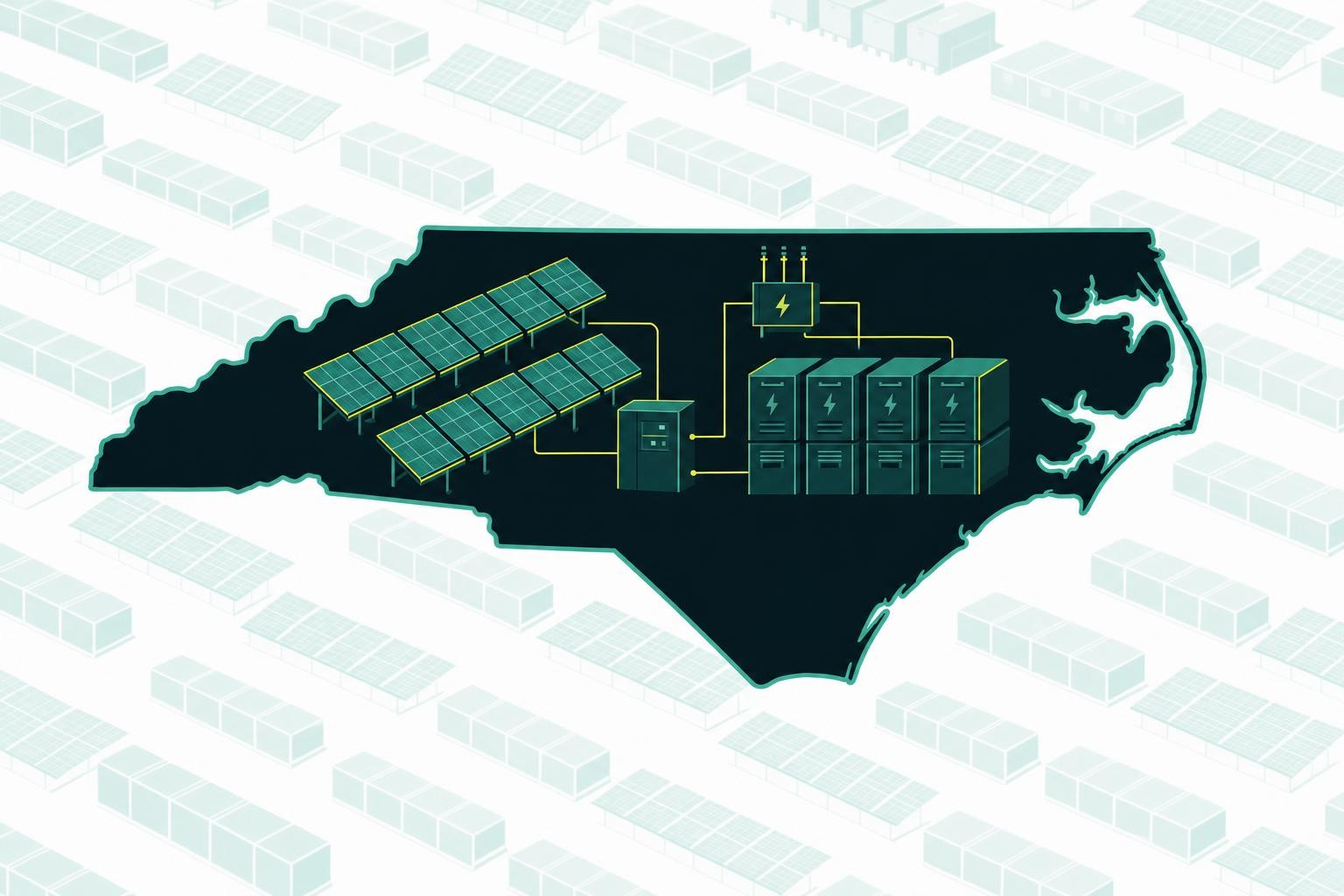
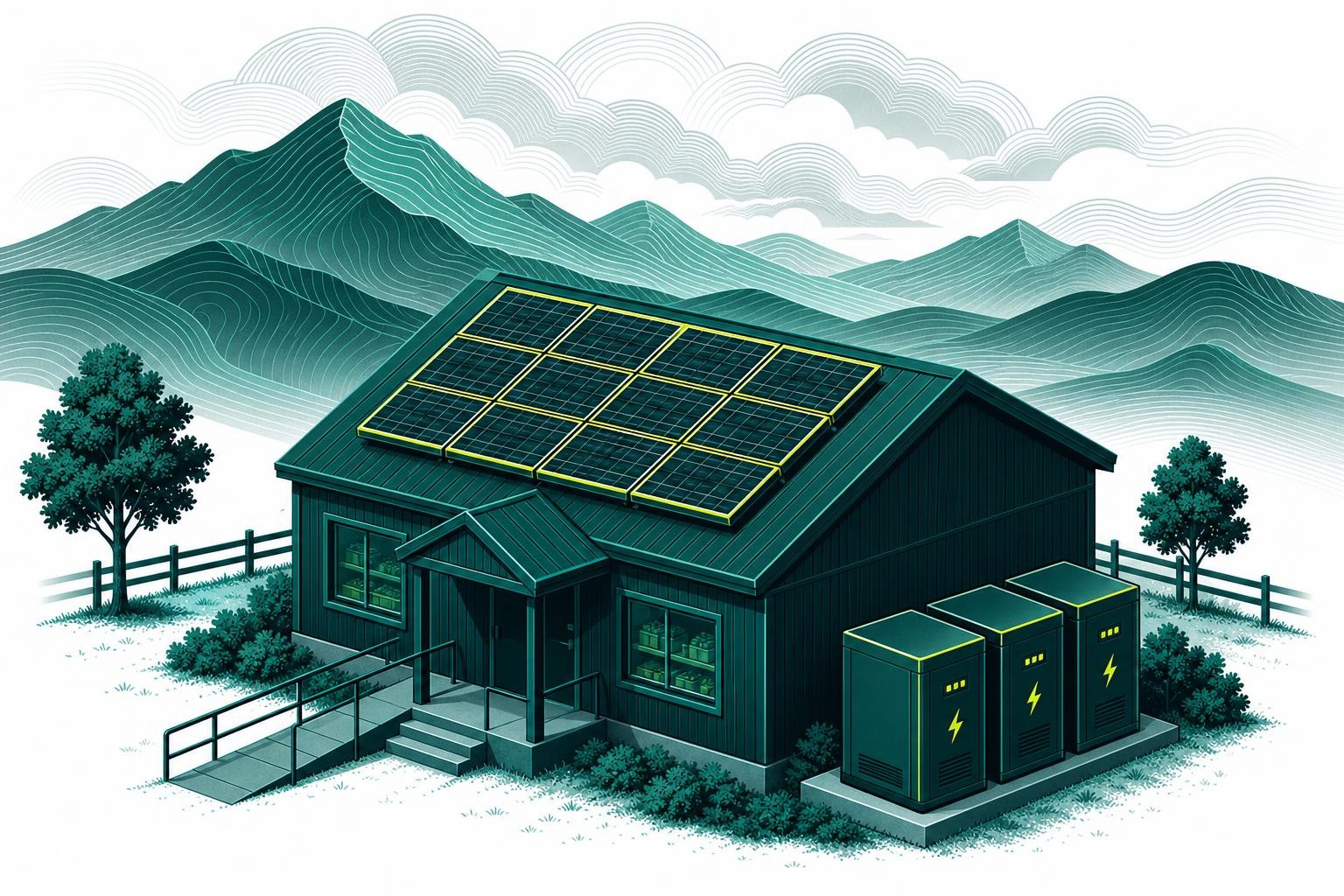
Beacon of Hope Food Pantry in Marshall, North Carolina has switched on the first completed microgrid in a $5 million state resilience program funded by the North Carolina Department of Environmental Quality[1]. The system - 56 rooftop solar panels and three batteries storing an estimated 68 kilowatt-hours - was installed by Rhino Renewables and cost roughly $100,000, which the pantry did not pay[1].
What the system does
The batteries back up the freezers, coolers, lighting, and internet in the pantry's food distribution area, allowing Beacon to operate for at least a day without grid connection or sunlight. The pantry serves food assistance to roughly 1,700 families each month in Madison County, about 20 miles north of Asheville, and has seen demand rise around 50 percent since Hurricane Helene struck in September 2024.
The building was spared during Helene because it sits above the French Broad River, which rose a historic 27 feet and wrecked much of downtown Marshall[1]. The microgrid is designed for the storms that follow - including minor outages that rural western North Carolina experiences regularly.
The broader program
The NC DEQ State Energy Office dedicated $5 million - drawn from the state's share of the federal Bipartisan Infrastructure Law - to install up to 26 microgrids across six counties hit hardest by Helene. The breakdown:
- 24 fixed installations at community centers, food banks, libraries, and fire departments
- 2 mobile "Beehive" units on trailers, deployable statewide
Partners include Land of Sky Regional Council, the NC Sustainable Energy Association, and the Footprint Project. The program is expected to reach completion by summer 2027.
Domestic-content rules are narrowing the field
The binding constraint on the remaining 25 sites is not money or community demand - it is the parts list. Larger and more complex microgrids reviewed by the selection committee require foreign-manufactured components that do not satisfy the domestic-content requirements attached to the federal infrastructure funding[1]. The Department of Energy can grant waivers on a project-by-project basis, but the review process takes time the program does not have. The practical effect is that the initiative is gravitating toward simpler, smaller installations where off-the-shelf domestic equipment is sufficient.
The Beacon installation ranked highly in site selection partly because of its straightforward configuration and its central role in community disaster response after Helene[1].
What to watch
Whether the DOE grants domestic-content waivers for the more complex sites will determine how much of the $5 million actually reaches the ground - and how many of the 26 planned microgrids are built to the original specification. The program is also being watched as a potential model for other storm-affected states; if domestic-content friction forces a significant downscale, that signal will travel.
The images and texts on this page were created with the help of AI.
Related
 Markets & Policy
Bannock County, Idaho set to vote this fall on reversing its 2024 utility-scale renewables ban
Bannock County commissioners will vote this fall on a new ordinance that would lift a March 2024 ban on utility-scale solar and wind - and add nuclear - after Hecate Energy pulled out entirely.
13 Oct 2026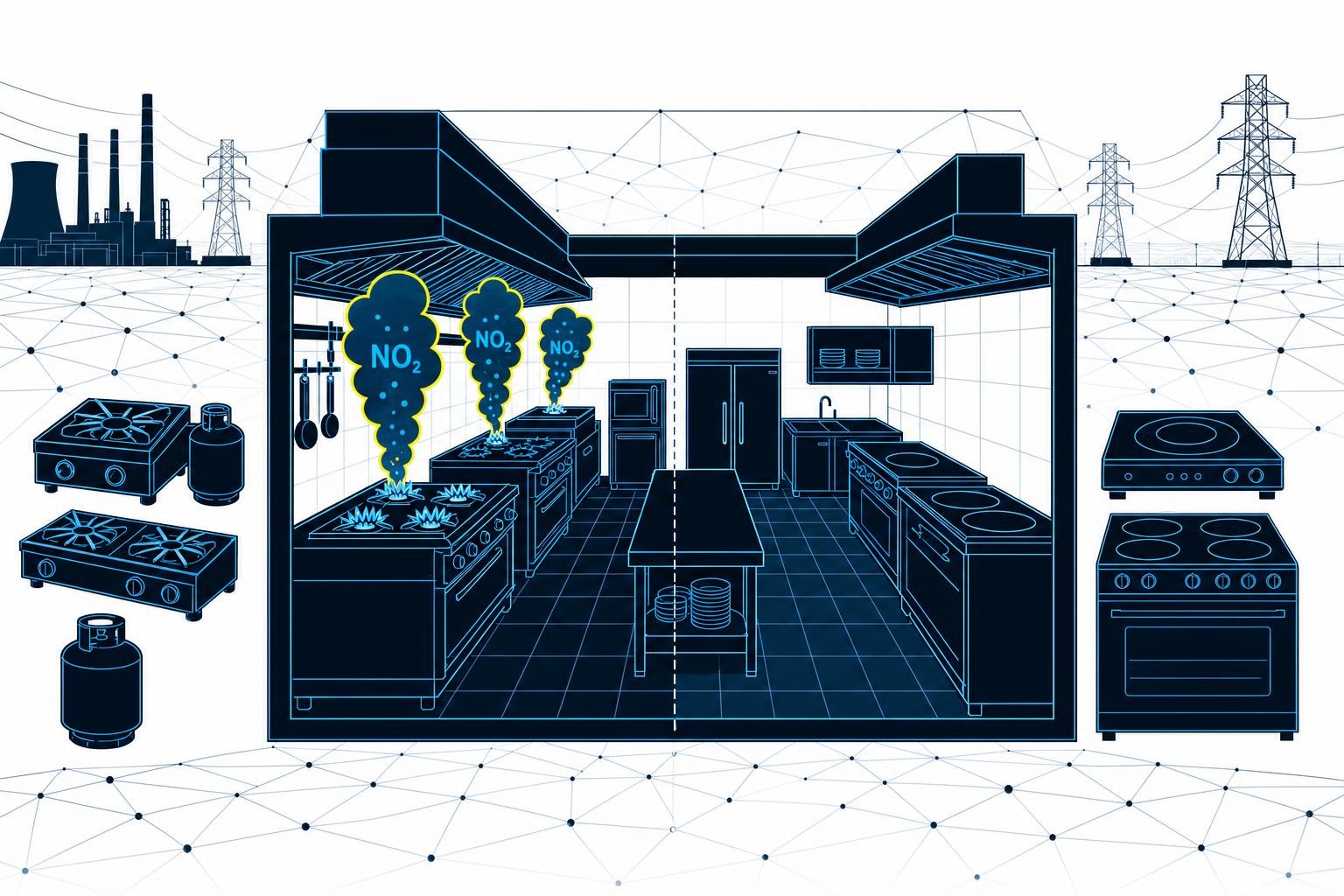 Markets & Policy
First U.S. study of real commercial kitchens finds gas and propane appliances push NO₂ above EPA limits in 70% of sites
A peer-reviewed study published 6 October 2026 in Environmental Research Letters finds gas and propane commercial kitchens routinely exceed EPA nitrogen dioxide limits, while all-electric kitchens do not.
13 Oct 2026 Storage
Marinus Link turns first sod at Heybridge as Tasmania's 750 MW Bass Strait cable enters construction
Construction has formally begun on Marinus Link's 750 MW HVDC interconnector after a sod-turning ceremony at Heybridge, Tasmania on 2 October 2026, backed by AU$5 billion in public finance.
13 Oct 2026