Wärtsilä's energy storage arm becomes Valo in 50/50 joint venture with RCT Solutions
Wärtsilä closed its energy storage joint venture with Germany's RCT Solutions on 1 October 2026, creating Valo - a utility-scale BESS integrator with 20 GWh across 130 projects.
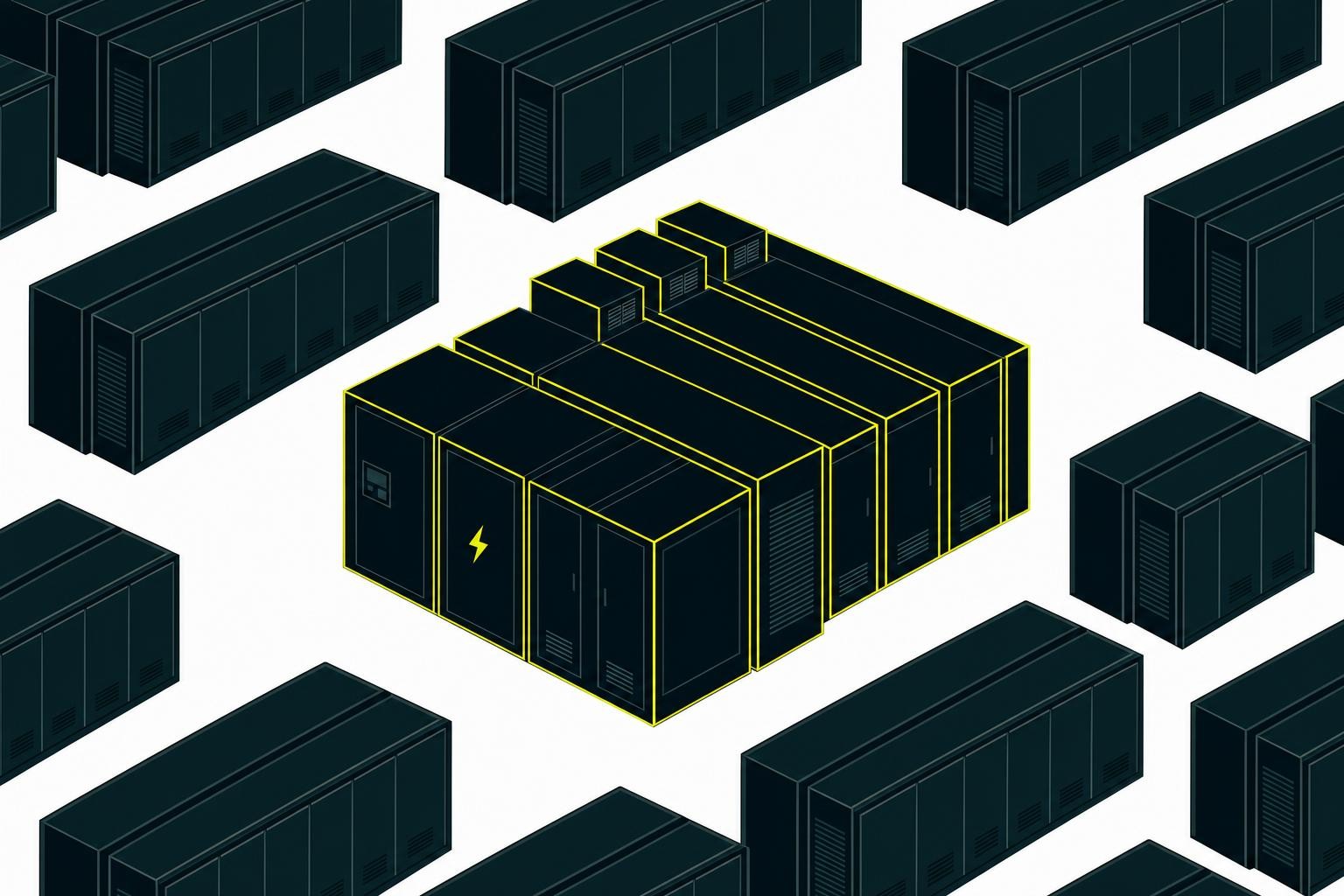
Wärtsilä closed the transaction transferring its global energy storage business into a new joint venture on 1 October 2026, creating a utility-scale battery storage integrator called Valo[1]. The Finnish technology group and German engineering company RCT Solutions each hold a 50% stake in the venture, which launches with more than 20 GWh across more than 130 projects worldwide.
What Valo is and where it came from
Wärtsilä announced the deal on 15 June 2026, with closing subject to regulatory approvals and the arrangement of a financing package. The energy storage business had already ceased to be a separate reporting segment within Wärtsilä in the second quarter of 2026, and was carried as discontinued operations until the transaction completed.
Wärtsilä's energy storage division generated net sales of €694 million in 2025 at an operating margin of 3.3% - its smallest segment by revenue and well below the group's 12.1% margin that year. By the end of Q2 2026, the storage order book had fallen to €545 million from €800 million a year earlier, and the discontinued business recorded a €7 million operating loss for the quarter.
RCT Solutions, headquartered in Konstanz, Germany, brings manufacturing engineering, supply-chain management, and an existing integrated BESS manufacturing initiative in the United States. The company's CEO, Prof. Dr. Peter Fath, takes the top role at Valo; Luke Witmer, formerly of Wärtsilä, is chief technology officer.
The financial drag
Valo is expected to generate an operating loss in 2026 and return to positive results only toward the end of 2027. The drag has two main sources:
- Low recent order intake, which compressed revenue visibility ahead of the transition
- A write-down of capitalised R&D that Wärtsilä recognised in Q3 2026 - taken on Wärtsilä's own books before the JV closed, rather than within the venture as originally planned[1]
As of 2 October 2026, Wärtsilä updated its guidance to say the financial impact of the write-down on its full-year 2026 result would be significantly less than initially communicated[1]. The original estimate had put the hit at €40-50 million on the group's operating result. The transaction itself represents less than 5% of Wärtsilä's total net assets, and no financial benefit from transferring the 50% stake has been guided, suggesting RCT Solutions contributed capability rather than cash.
New investors may join Valo at a later stage, which could dilute both founding shareholders. Wärtsilä will account for its remaining stake as a share of results in associates rather than as a direct operating segment.
First contract under the new name
Within days of launch, Valo secured the system integration contract for Atmos Renewables' 400 MW / 1,600 MWh Teebar BESS in Queensland, Australia - among the largest battery storage projects committed for construction in the state. The project reached financial close on 2 October, backed by Australia's federal Capacity Investment Scheme, and is targeted for commercial operation in late 2028. Valo will supply its GridSolve Quantum2 hardware and GEMS software, and has secured Generator Performance Standards approval for grid-forming operation in the National Electricity Market. The award takes Valo's Australian energy storage portfolio beyond 7.6 GWh.
The near-term test for Valo is whether RCT Solutions' supply-chain and manufacturing reach translates into new order intake quickly enough to close the gap between the inherited backlog and the revenue needed to reach breakeven. Wärtsilä's Q3 2026 results, due 26 October, will give the first read on how the write-down lands in the group accounts.
The images and texts on this page were created with the help of AI.
Related
 Markets & Policy
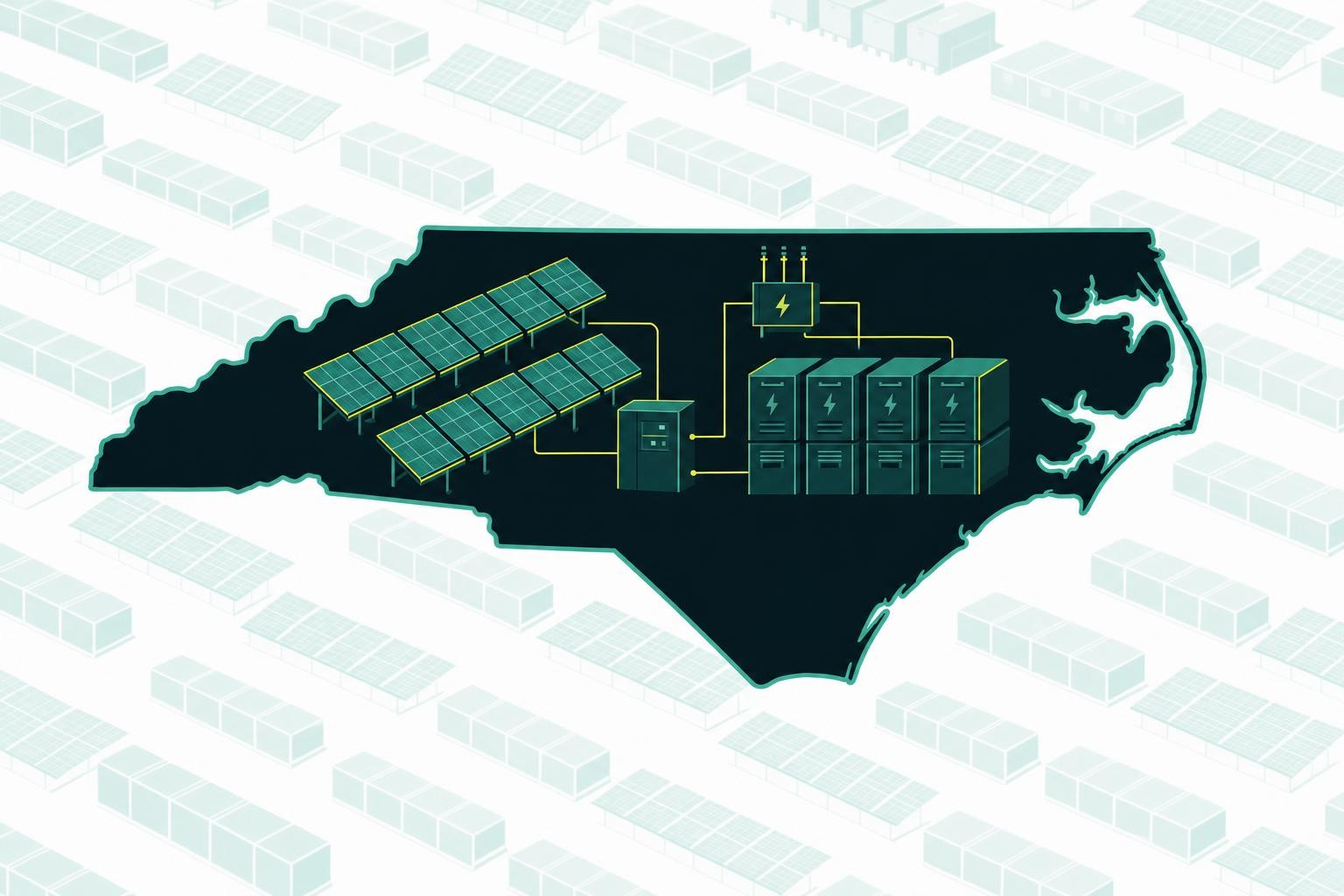
Beacon of Hope food pantry in Marshall, NC switches on first microgrid in state's $5 million Helene resilience program
Beacon of Hope Food Pantry in Marshall, NC has energised the first of 26 planned microgrids in a $5 million state program - but domestic-content rules are narrowing which sites can follow.
13 Oct 2026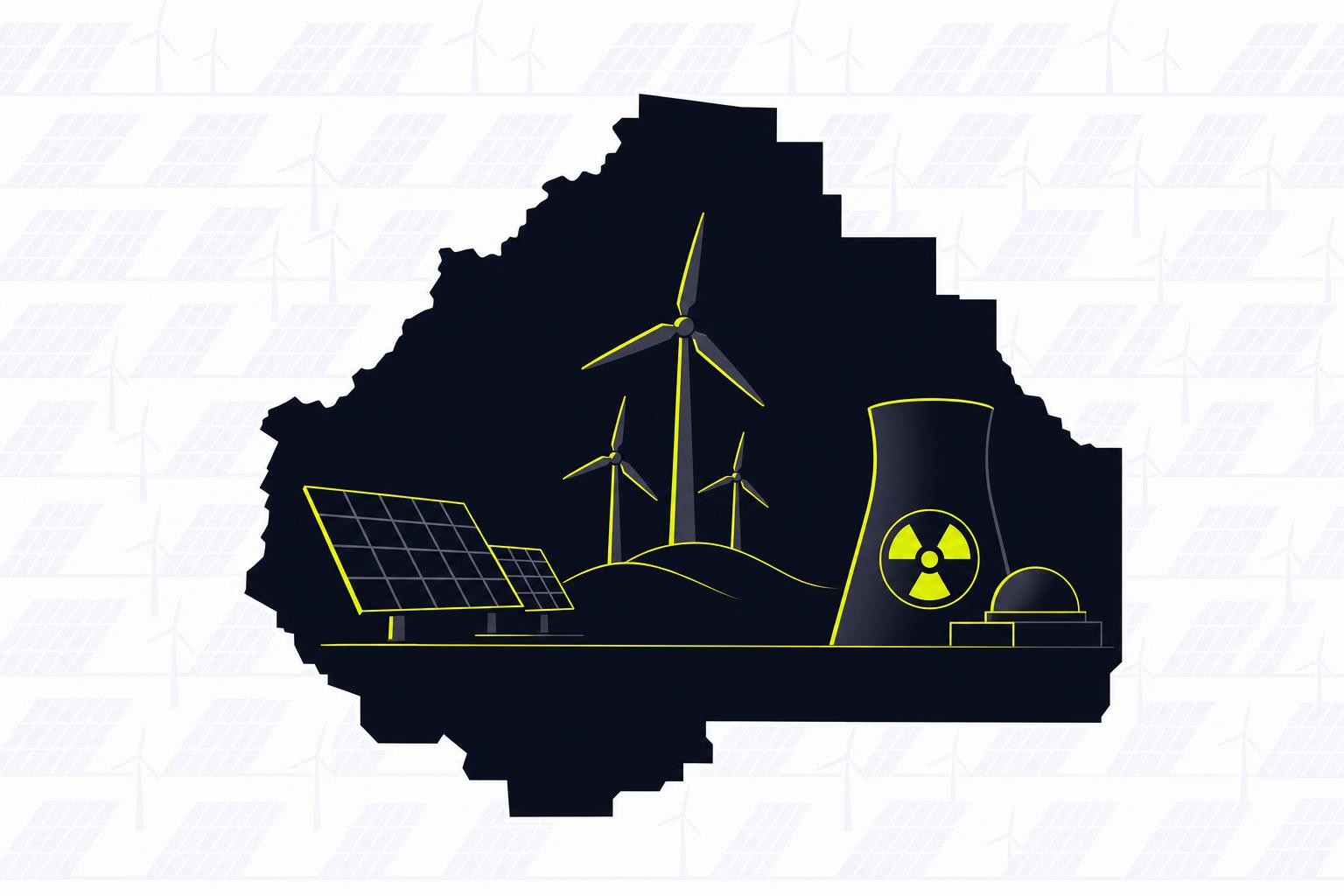 Markets & Policy
Bannock County, Idaho set to vote this fall on reversing its 2024 utility-scale renewables ban
Bannock County commissioners will vote this fall on a new ordinance that would lift a March 2024 ban on utility-scale solar and wind - and add nuclear - after Hecate Energy pulled out entirely.
13 Oct 2026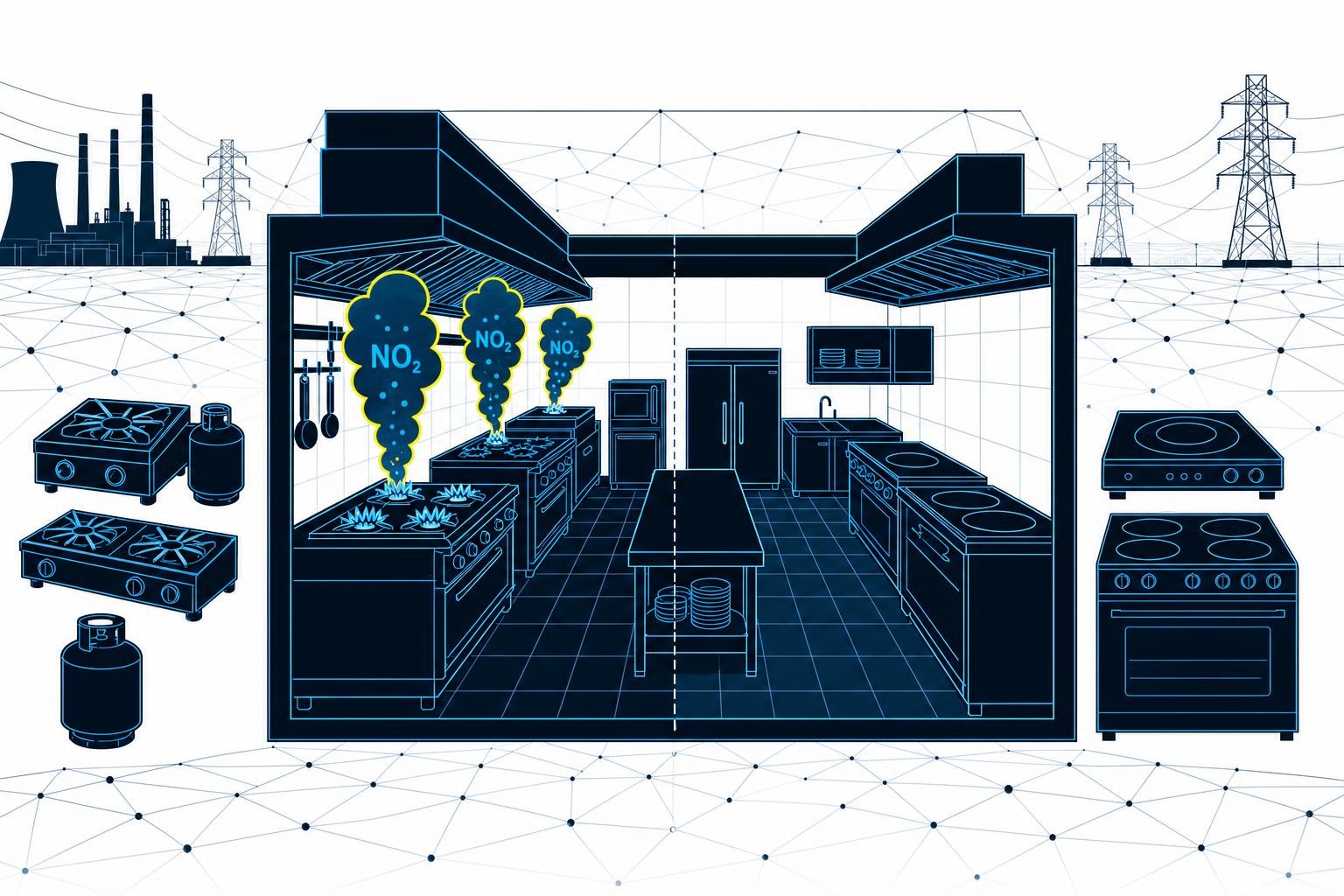 Markets & Policy
First U.S. study of real commercial kitchens finds gas and propane appliances push NO₂ above EPA limits in 70% of sites
A peer-reviewed study published 6 October 2026 in Environmental Research Letters finds gas and propane commercial kitchens routinely exceed EPA nitrogen dioxide limits, while all-electric kitchens do not.
13 Oct 2026