Senate permitting bill splits clean energy builders from green groups over fossil fuel trade-offs
The Bipartisan American Affordability and Jobs Act of 2026 would overhaul NEPA reviews, expand FERC transmission siting, and force data centers to pay grid upgrade costs - but more than 200 environmental groups want it killed.
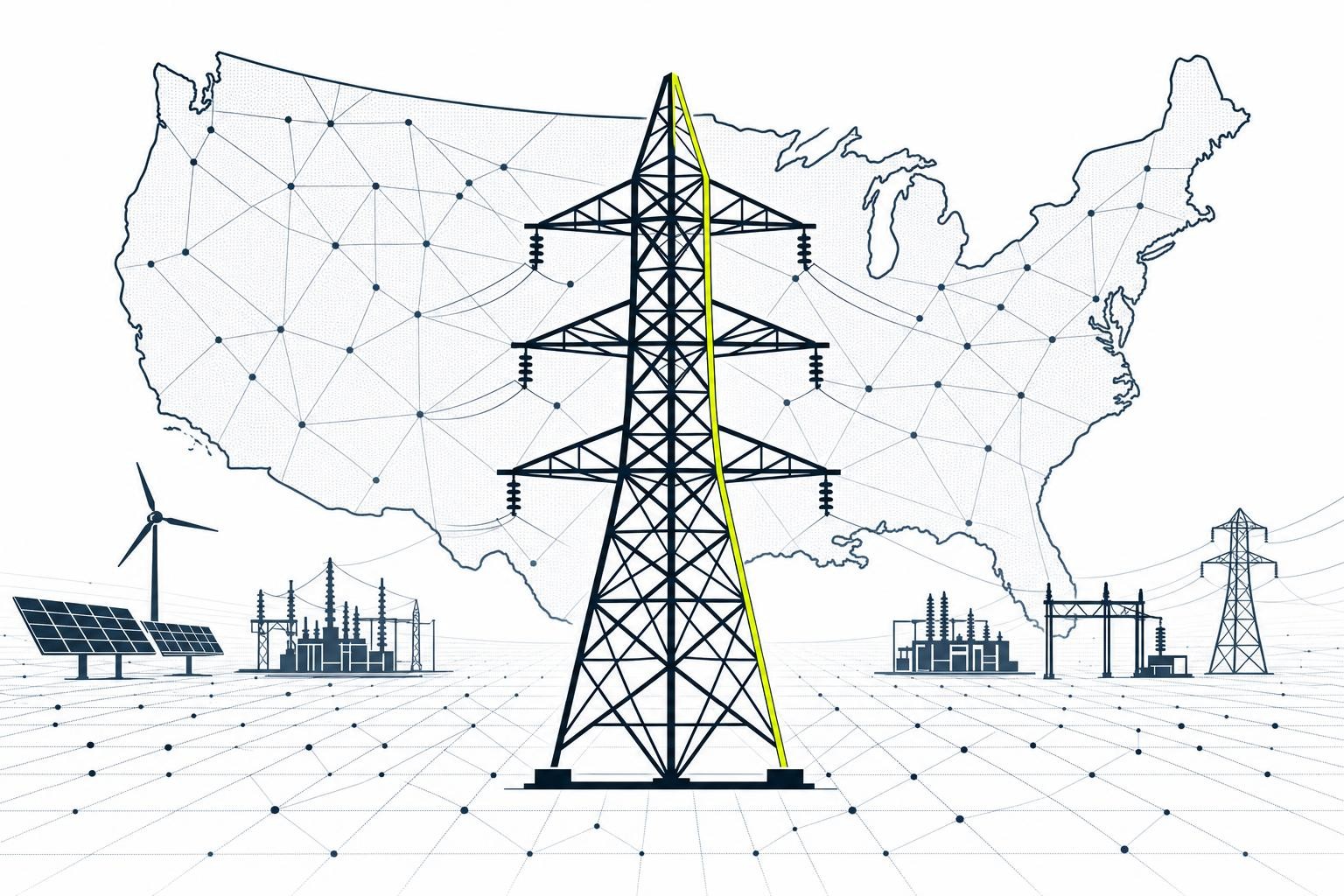
A bipartisan group of four Senate committee leaders introduced the Bipartisan American Affordability and Jobs Act (BAAJA) on 30 September 2026, triggering the sharpest internal split the U.S. clean energy and environmental community has seen in years.[1] The 417-page bill would overhaul federal environmental reviews, expand FERC's transmission siting authority, and require large data centers to absorb the full cost of grid upgrades they trigger - provisions that developers have sought for years and that many green groups now say come at too high a price.
What the bill does for the grid
BAAJA's transmission provisions are the most consequential for system operators and developers. The key measures:
- Federal backstop siting: FERC would gain enhanced authority to permit high-voltage interstate lines above 230 kV when states fail to act within a year, allowing developers to apply simultaneously to FERC and state regulators - a structure closer to how the commission approves natural gas pipelines.[1]
- Interregional planning mandate: FERC would be required to set standards for interregional transmission planning and cost allocation, with grid operators developing plans consistent with those rules.[1] Currently no such regulatory structure exists.
- Interconnection queue automation: FERC would be directed to initiate a rulemaking requiring grid planners to use software automation to clear the interconnection backlog.
- Data center cost assignment: Computational loads of 20 MW or more would be required to pay the full incremental cost of transmission service and grid upgrades needed to serve them, with no portion of those costs recoverable from other ratepayers.
On NEPA, BAAJA retains existing one-year deadlines for environmental assessments and two-year deadlines for environmental impact statements, but tightens them by requiring applicant consent - not just consultation - before an agency can extend either clock. A record of decision would have to follow within 45 days of a published EIS. Legal challenges under four environmental statutes would face a 150-day filing deadline, down from the current six-year default under the Administrative Procedure Act.
Why green groups are fighting it
The bill is the product of months of negotiation between two Democratic climate hawks - Senators Sheldon Whitehouse of Rhode Island and Martin Heinrich of New Mexico - and two Republican advocates of fossil fuel development, Senators Mike Lee of Utah and Shelley Moore Capito of West Virginia.[1] That balance is precisely what opponents object to.
More than 200 environmental and climate organizations signed a letter to Democratic leadership urging the caucus to block the bill, arguing that concessions to fossil fuel development outweigh the clean energy benefits. The Center for Biological Diversity, Friends of the Earth US, Greenpeace, and the Western Environmental Law Center were among the signatories. A leaked transcript from a strategy call organized in part by the Sierra Club showed participants discussing how to stop the bill outright, with some acknowledging they had not yet read the text.
Supporters counter that there is no politically viable path to permitting reform that excludes fossil fuel projects, and that the grid and transmission provisions alone justify passage. The American Clean Power Association called enactment before the end of 2026 "essential."
What to watch
The Senate has scheduled a cloture vote on the motion to proceed for 9 November 2026, with House consideration expected shortly after. Floor debate is planned for later in November. The bill still lacks a formal bill number and committee-referral information in the posted text - a procedural gap that could complicate the timeline if leadership does not resolve it before the cloture vote.
The images and texts on this page were created with the help of AI.
Related
 Markets & Policy
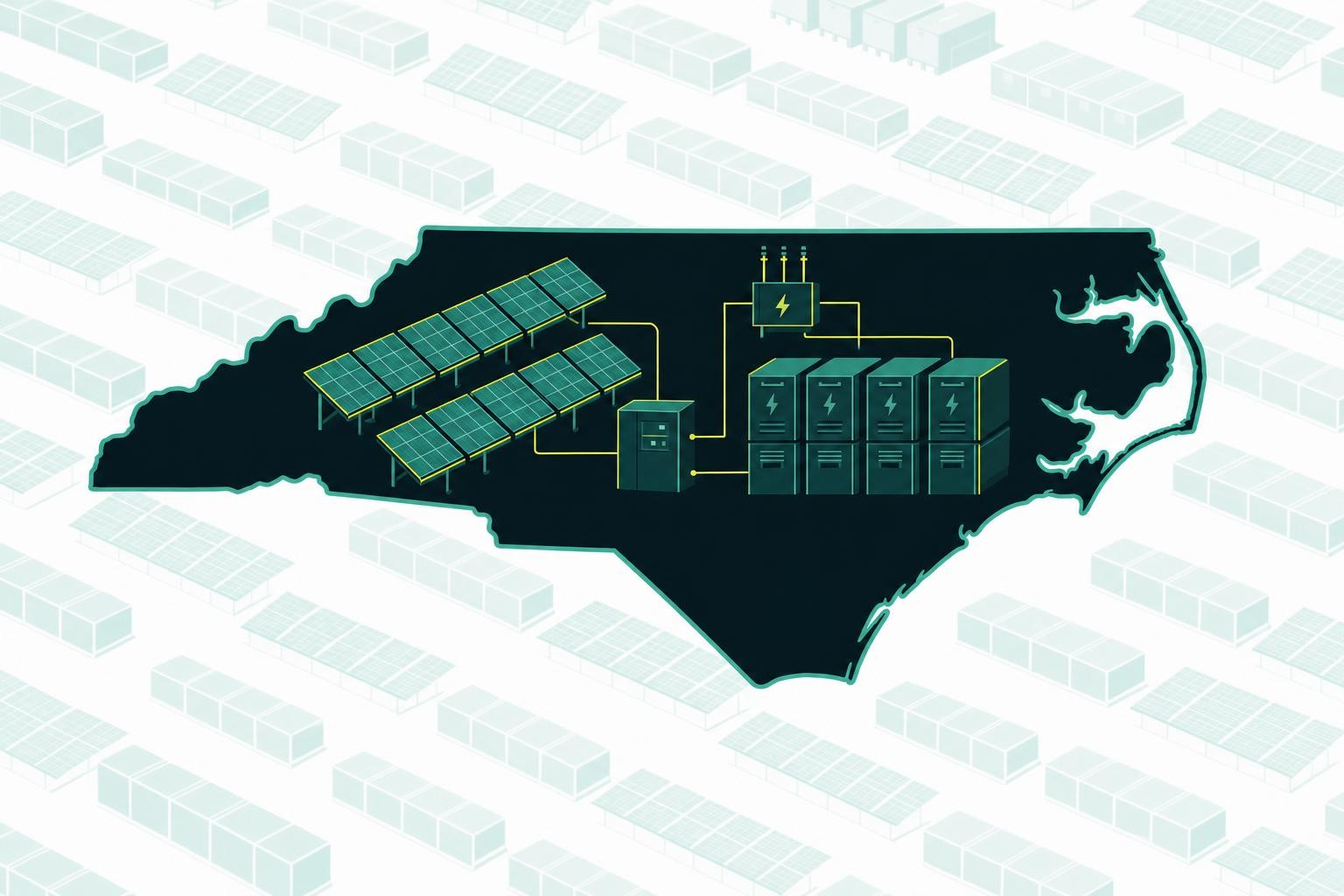
Beacon of Hope food pantry in Marshall, NC switches on first microgrid in state's $5 million Helene resilience program
Beacon of Hope Food Pantry in Marshall, NC has energised the first of 26 planned microgrids in a $5 million state program - but domestic-content rules are narrowing which sites can follow.
13 Oct 2026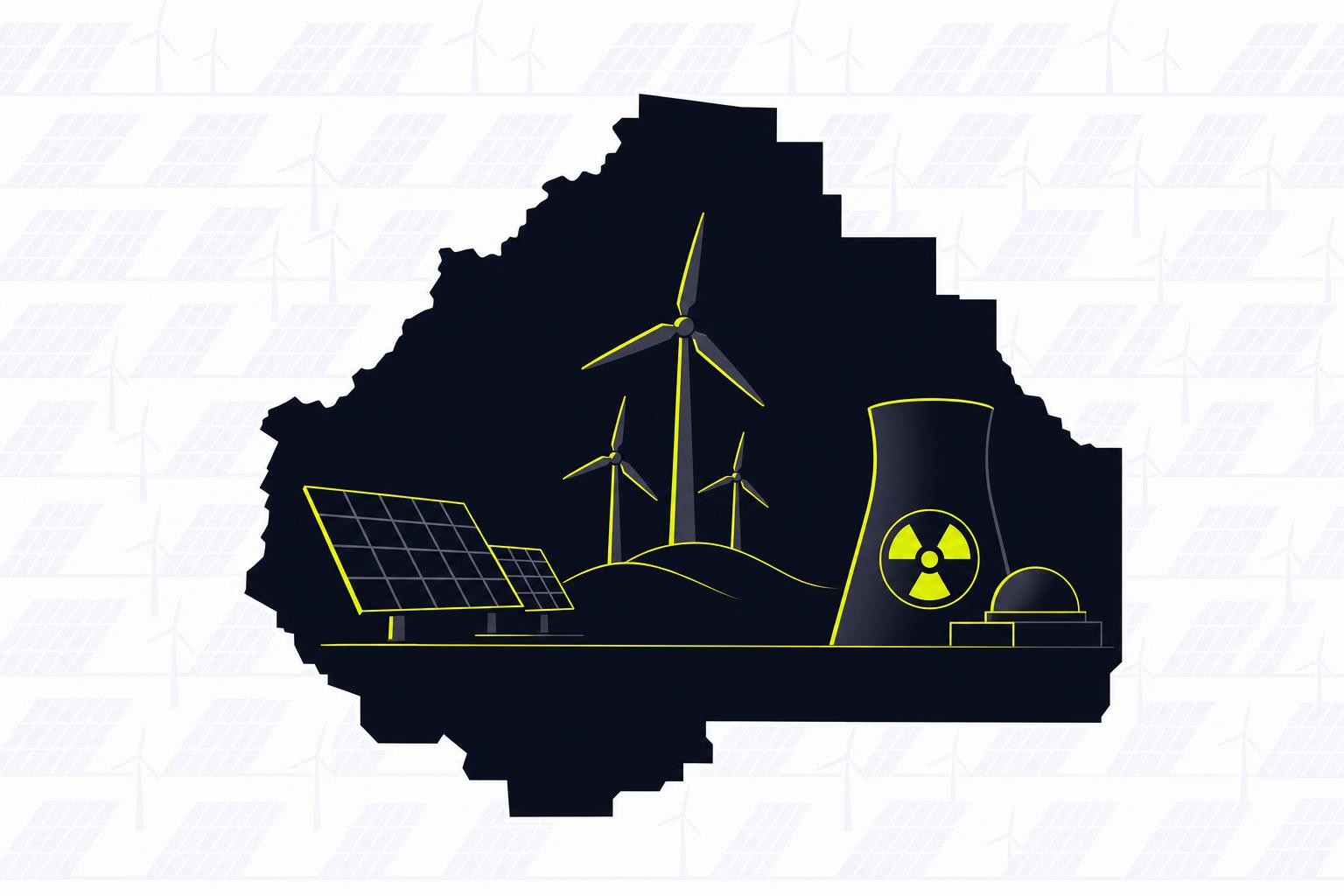 Markets & Policy
Bannock County, Idaho set to vote this fall on reversing its 2024 utility-scale renewables ban
Bannock County commissioners will vote this fall on a new ordinance that would lift a March 2024 ban on utility-scale solar and wind - and add nuclear - after Hecate Energy pulled out entirely.
13 Oct 2026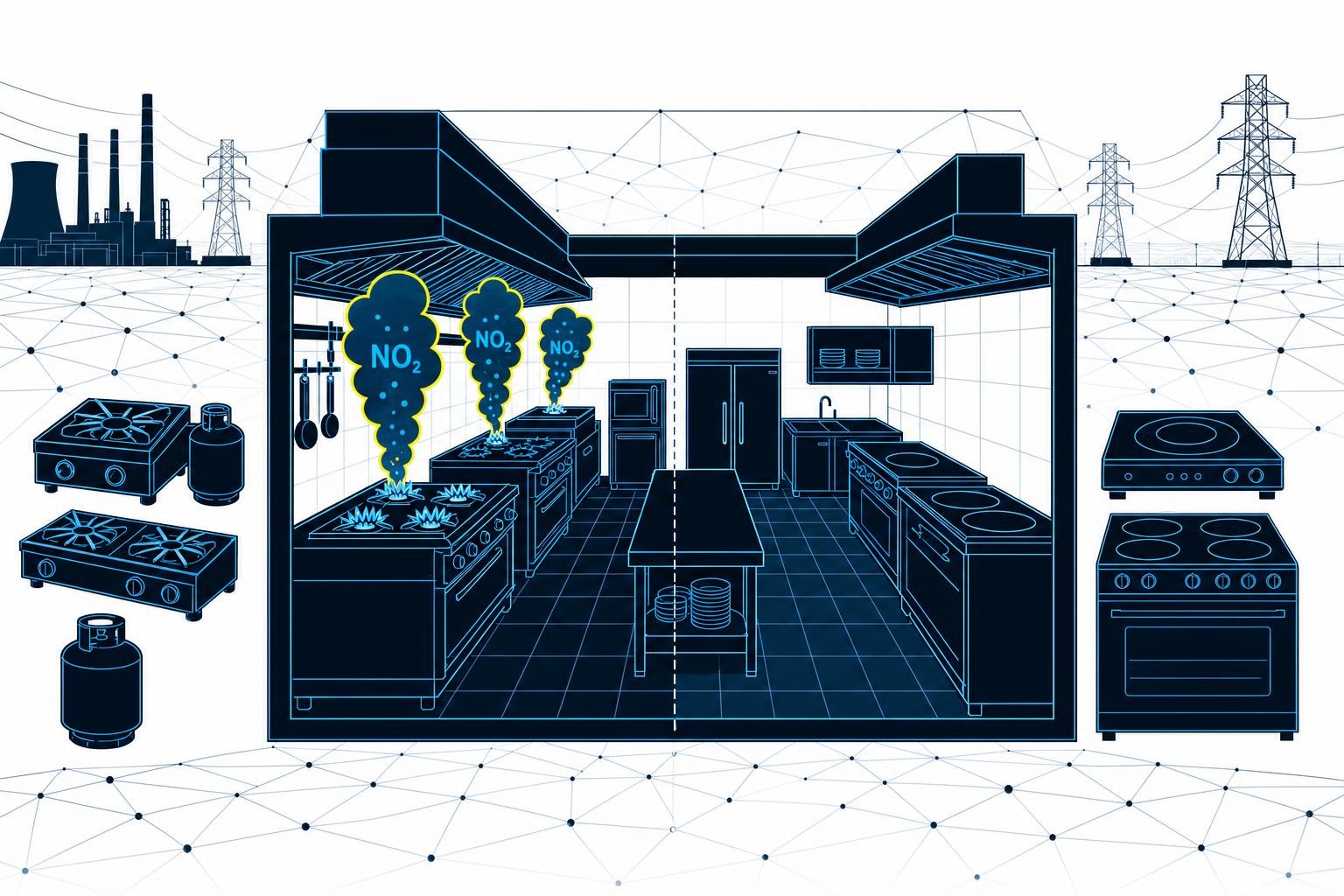 Markets & Policy
First U.S. study of real commercial kitchens finds gas and propane appliances push NO₂ above EPA limits in 70% of sites
A peer-reviewed study published 6 October 2026 in Environmental Research Letters finds gas and propane commercial kitchens routinely exceed EPA nitrogen dioxide limits, while all-electric kitchens do not.
13 Oct 2026