RES secures DCO for 450 MW Steeple solar farm in Nottinghamshire
DESNZ granted a Development Consent Order for RES's 450 MW Steeple solar farm on 9 October 2026, the second large-scale solar DCO approved in England in as many days.
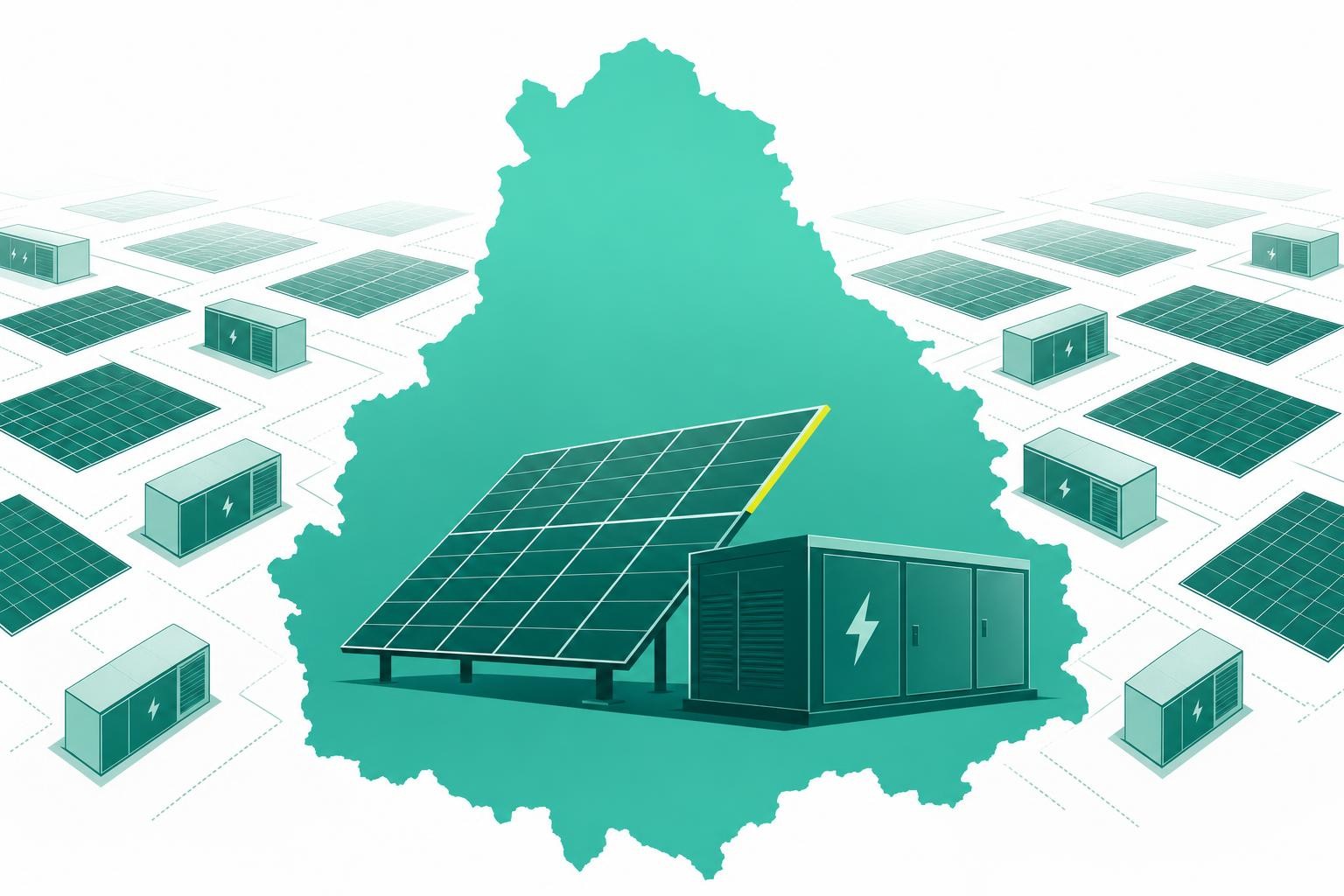
RES secured a Development Consent Order (DCO) for its 450 MW Steeple Renewables Project in Nottinghamshire on 9 October 2026, with the Department for Energy Security and Net Zero (DESNZ) granting consent on behalf of Energy Secretary Miatta Fahnbulleh.[1] The project, near Sturton-le-Steeple, will pair the solar array with a 150 MW battery energy storage system (BESS) and carry a total grid connection capacity of up to 600 MW.
The project
The DCO application was submitted to the Planning Inspectorate on 14 May 2025 and accepted for examination on 11 June 2025. The examining authority forwarded its recommendation to DESNZ in July 2026, with the final consent issued roughly three months later.[1]
The site sits adjacent to the former West Burton A coal station, which EDF closed on 31 March 2023 after a final winter standby agreement with National Grid ESO. Steeple will exploit the spare transmission capacity and existing substation infrastructure left by that closure - a grid inheritance that has made the Trent Valley corridor one of the most active solar development zones in England. According to Solar Media Market Research, 14 solar plants across all stages of development are lined up to connect at West Burton, with a combined capacity of 1,586 MWp.
Scale and local impact
RES cites the following commitments attached to the project:
- £224 million of investment in the local economy during construction
- Approximately 400 jobs over the two-year build programme
- A community benefits package worth approximately £13 million over the project's lifetime, including a minimum £350 annual electricity discount for nearby homes and businesses
The solar element is sized to meet the annual electricity needs of roughly 180,000 homes - approximately half the households in Nottinghamshire, according to RES.
Consent in context
Steeple is the third solar NSIP that Fahnbulleh has consented since taking the energy secretary role, and the second in two consecutive days. Island Green Power received a DCO for its 500 MW Green Hill Solar Farm in Northamptonshire and Milton Keynes on 8 October 2026, a project that also includes a 500 MW BESS.[1] The back-to-back decisions signal an accelerating pace of large-scale solar approvals under the current administration.
Both Steeple and Green Hill qualify as Nationally Significant Infrastructure Projects (NSIPs) under the Planning Act 2008 — a threshold triggered by generating capacity above 100 MW — meaning consent rests with the Secretary of State rather than local planning authorities.
What to watch
RES has not disclosed a construction start date or financing arrangements. The next material milestones will be discharge of DCO planning conditions and procurement of an EPC contractor. Given the two-year build estimate cited by the developer, first power before the end of the decade is plausible but contingent on grid connection timing at the West Burton substation - a bottleneck that will be shared with the other 13 projects queued at the same connection point.
The images and texts on this page were created with the help of AI.
Related
 Markets & Policy
Beacon of Hope food pantry in Marshall, NC switches on first microgrid in state's $5 million Helene resilience program
Beacon of Hope Food Pantry in Marshall, NC has energised the first of 26 planned microgrids in a $5 million state program - but domestic-content rules are narrowing which sites can follow.
13 Oct 2026 Markets & Policy
Bannock County, Idaho set to vote this fall on reversing its 2024 utility-scale renewables ban
Bannock County commissioners will vote this fall on a new ordinance that would lift a March 2024 ban on utility-scale solar and wind - and add nuclear - after Hecate Energy pulled out entirely.
13 Oct 2026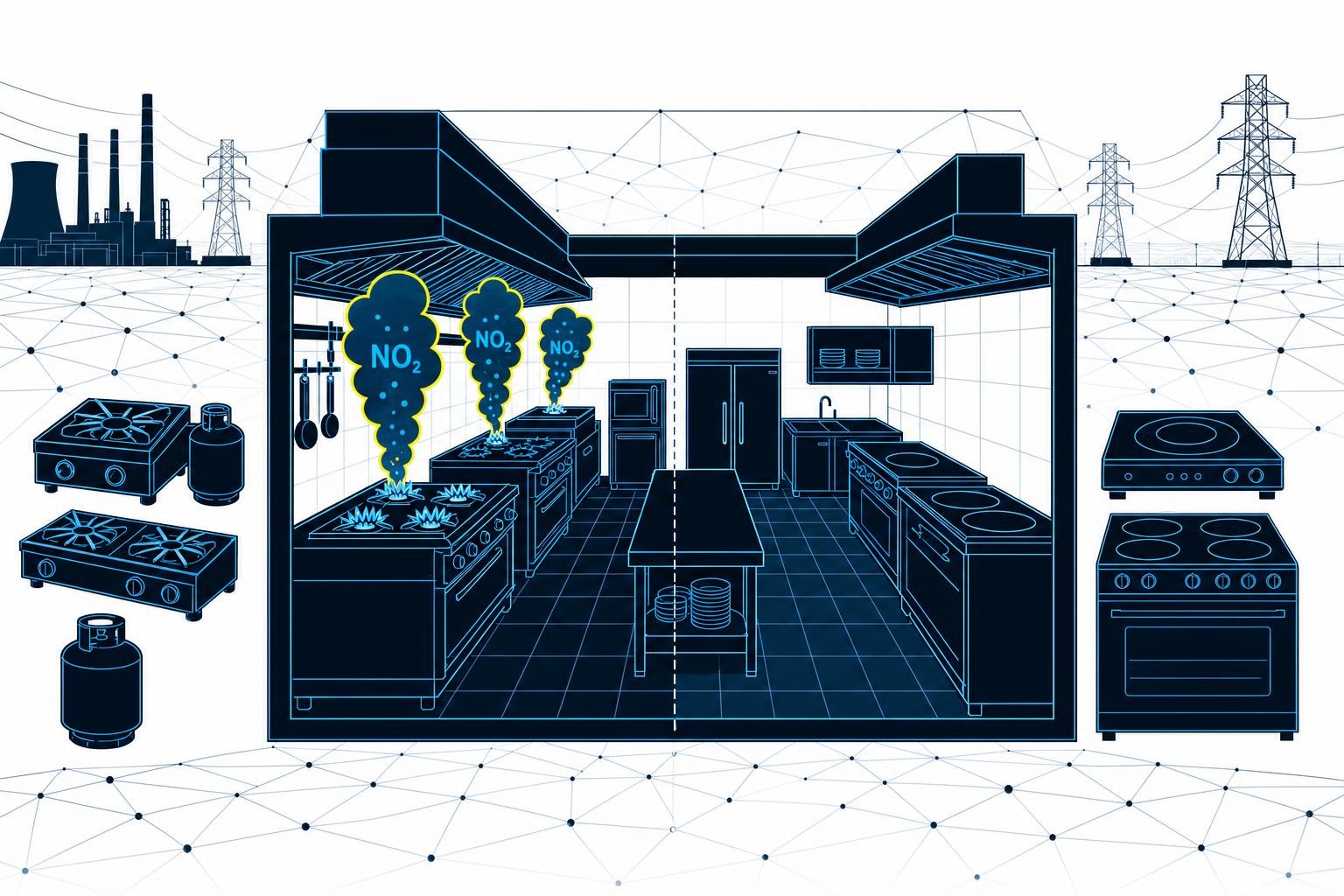 Markets & Policy
First U.S. study of real commercial kitchens finds gas and propane appliances push NO₂ above EPA limits in 70% of sites
A peer-reviewed study published 6 October 2026 in Environmental Research Letters finds gas and propane commercial kitchens routinely exceed EPA nitrogen dioxide limits, while all-electric kitchens do not.
13 Oct 2026