Regulators push utilities to connect inspection data to risk models, not just file it
State commissions from Hawaii to Texas now want inspection findings fed into risk and ignition models. A new Utility Dive analysis shows what that shift looks like in practice.
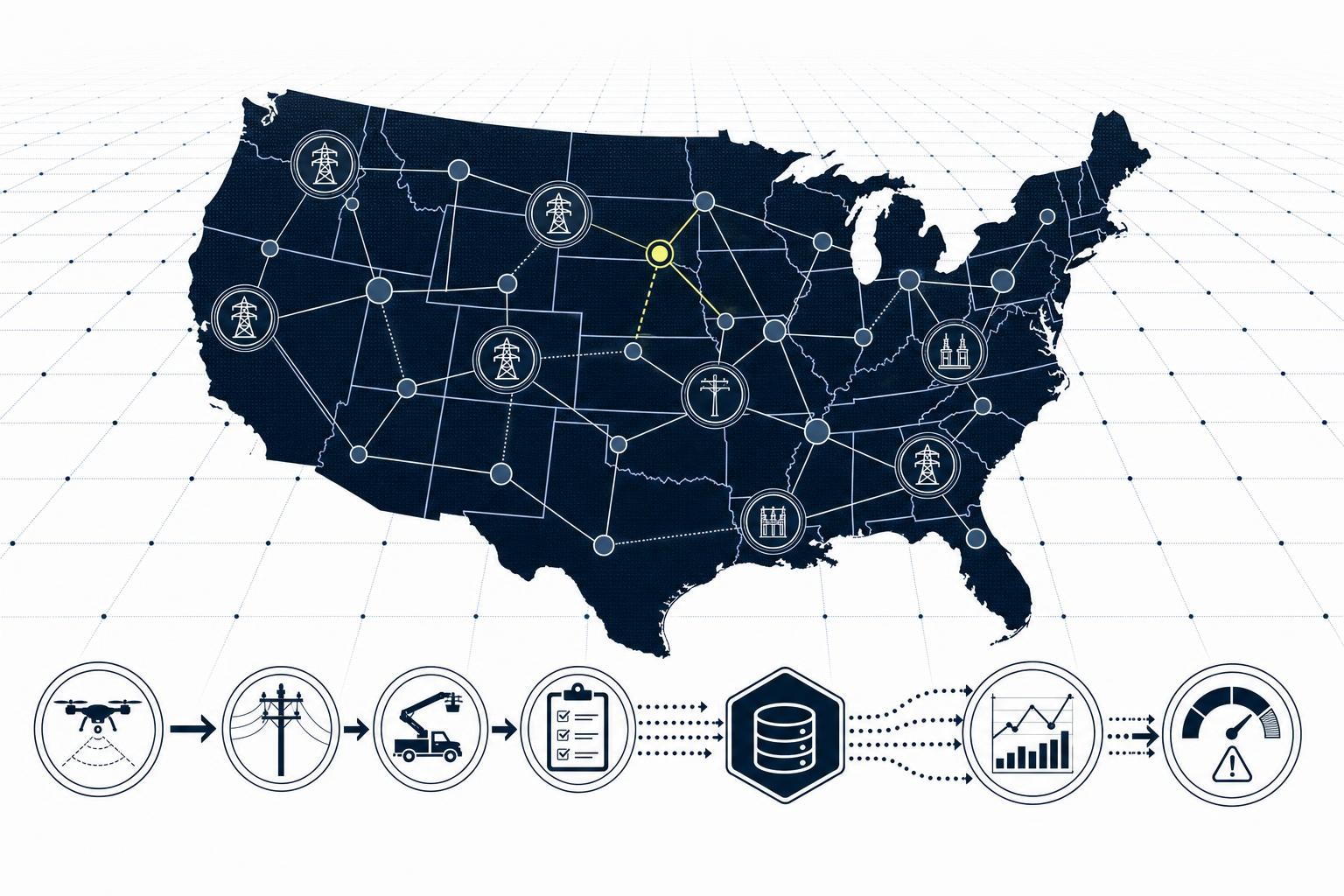
State utility commissions are raising the evidentiary bar on grid inspections, moving from a compliance-filing model toward one where asset condition data must actively drive risk and ignition decisions. A Utility Dive analysis published 12 October 2026 by eSmart Systems argues that regulators across the country are converging on the same expectation: inspections must produce more than a compliance checklist.[1]
What regulators now want to see
From Hawaii's wildfire mitigation plan updates to Texas's new wildfire mitigation plan filing guidance, state commissions increasingly want inspection findings fed into risk and ignition models, with asset condition data used to drive investment decisions and prioritize follow-on actions.[1] The Smart Electric Power Alliance reinforced this at an industry level in its wildfire technology framework, positioning asset condition intelligence as a foundational input across every stage of wildfire risk reduction, from pre-season mitigation planning through post-event recovery.[1]
The practical implication is that a utility can no longer treat inspection imagery as a record to be filed and forgotten. Regulators and consumer advocates increasingly want to see the logic chain: how a defect finding translated into a capital decision, and how that decision reduced ignition probability.
The data-silo problem
The gap most utilities face is not a shortage of inspection activity - it is that the resulting data sits in disconnected systems that risk, planning, and construction teams cannot easily reach. At one Mountain West utility, roughly 7% of observed cotter pins in an inspection cycle were found to be installed upside down, a defect that can raise the odds of conductor movement or arcing under high-wind, high-fire conditions.[1] The finding only becomes actionable if it can be queried, prioritized, and routed to the teams that schedule remediation.
Evergy's experience illustrates what connecting that data looks like. In 2019, the Kansas City-based utility shifted to a non-entry underground inspection method that captures high-resolution imagery without sending workers into confined spaces.[1] In early 2026, that imagery moved into eSmart Systems' Grid Vision platform as a central, searchable repository.[1] Design and construction teams that previously had minimal access to inspection records can now pull up manhole imagery before a project rather than dispatching a crew to verify conditions already on file.[1]
What a connected asset record enables
The shift from siloed inspection files to a connected asset record changes several downstream workflows:
- Risk modeling: defect findings can be weighted by asset type, location, and fire-weather exposure rather than treated as a flat list.
- Capital prioritization: investment decisions can be ranked by risk reduction per dollar rather than by inspection date or asset age.
- Regulatory documentation: the logic chain from field finding to capital action is auditable without being rebuilt by hand for each filing.
- Cross-team access: engineering, planning, and construction teams draw from the same condition record instead of maintaining parallel data sets.
What to watch
The regulatory pressure is clearest in California, Hawaii, and Texas, but the SEPA framework suggests the expectation is spreading to regions that have not historically faced severe wildfire exposure. Utilities that have not yet connected inspection outputs to their risk models face a growing documentation gap - one that is harder to close retroactively once a commission asks for it.
The images and texts on this page were created with the help of AI.
Related
 Markets & Policy
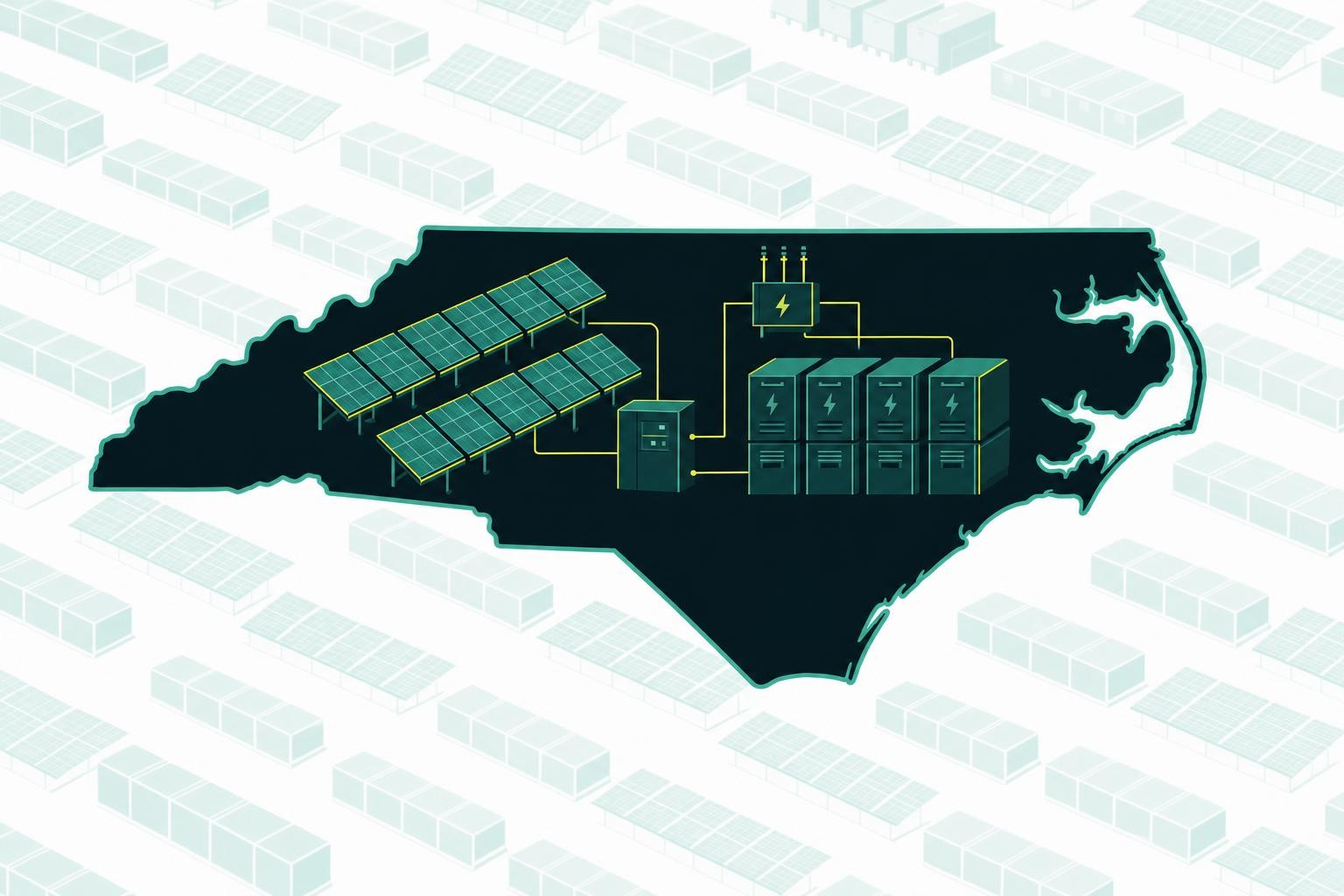
Beacon of Hope food pantry in Marshall, NC switches on first microgrid in state's $5 million Helene resilience program
Beacon of Hope Food Pantry in Marshall, NC has energised the first of 26 planned microgrids in a $5 million state program - but domestic-content rules are narrowing which sites can follow.
13 Oct 2026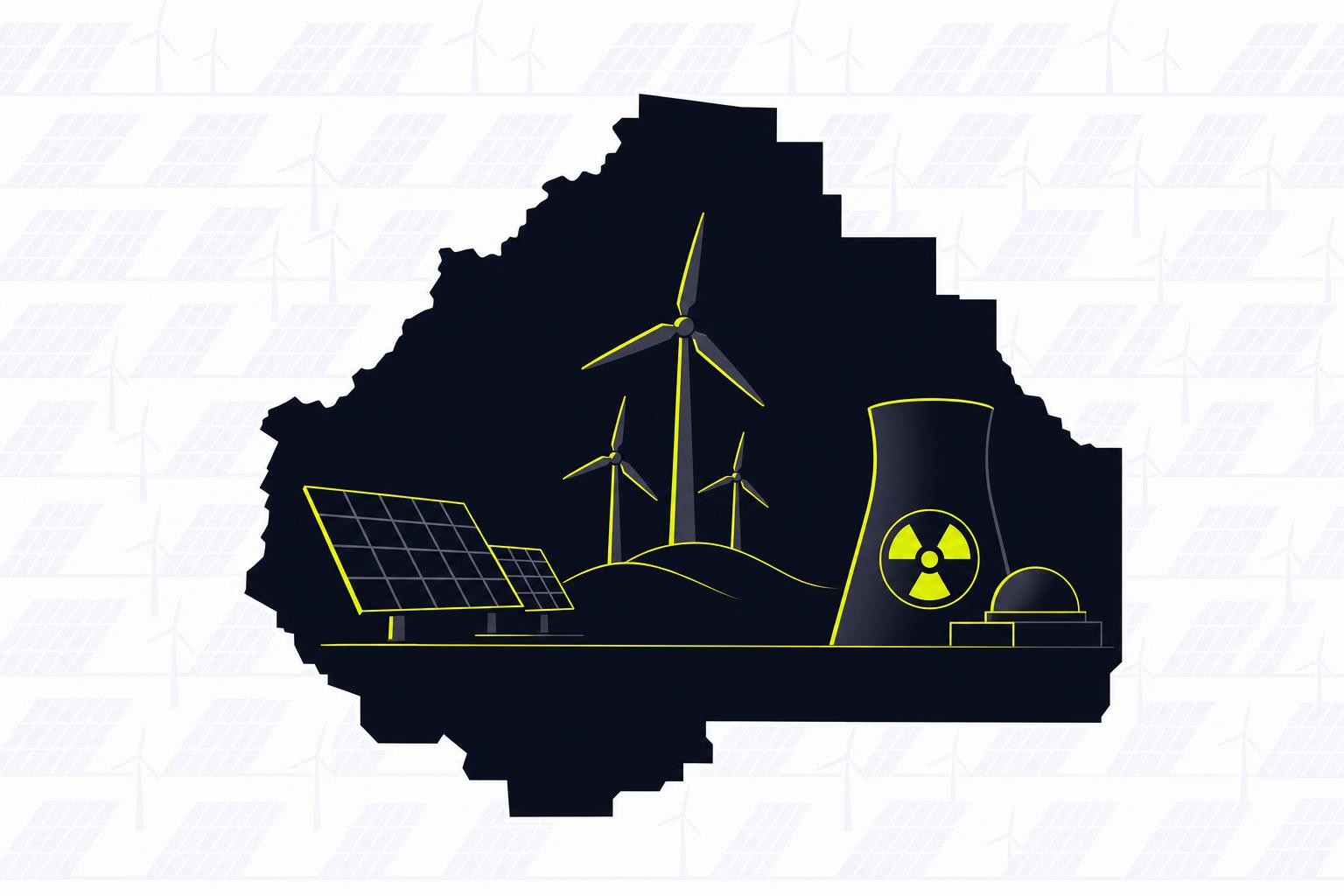 Markets & Policy
Bannock County, Idaho set to vote this fall on reversing its 2024 utility-scale renewables ban
Bannock County commissioners will vote this fall on a new ordinance that would lift a March 2024 ban on utility-scale solar and wind - and add nuclear - after Hecate Energy pulled out entirely.
13 Oct 2026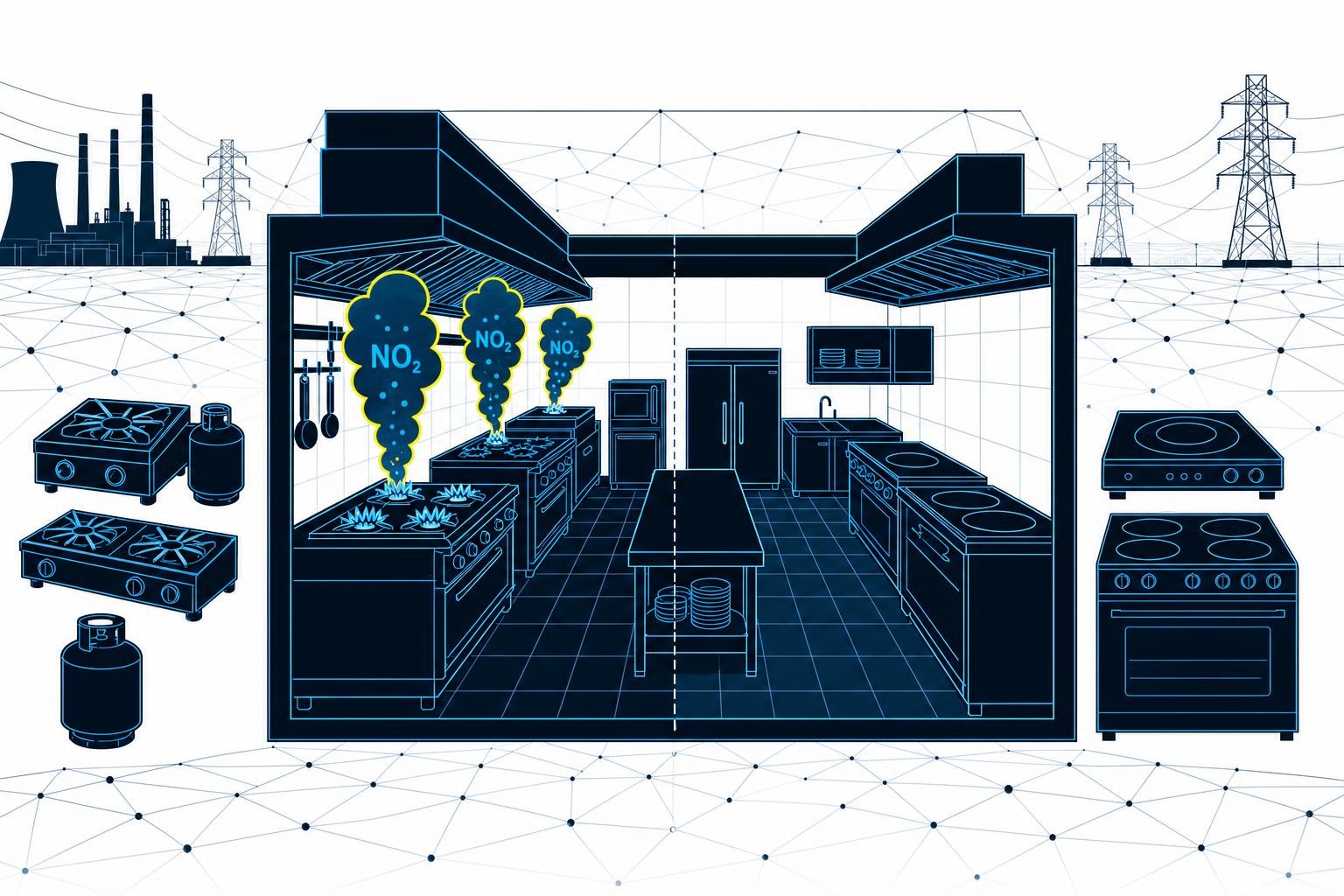 Markets & Policy
First U.S. study of real commercial kitchens finds gas and propane appliances push NO₂ above EPA limits in 70% of sites
A peer-reviewed study published 6 October 2026 in Environmental Research Letters finds gas and propane commercial kitchens routinely exceed EPA nitrogen dioxide limits, while all-electric kitchens do not.
13 Oct 2026