Worker dies at CS Wind's Aveiro offshore tower factory after being crushed by heavy object
A 55-year-old worker died at CS Wind's offshore wind tower manufacturing plant at the port of Aveiro, Portugal, after being crushed by a heavy object, local media reported on 6 October 2026.
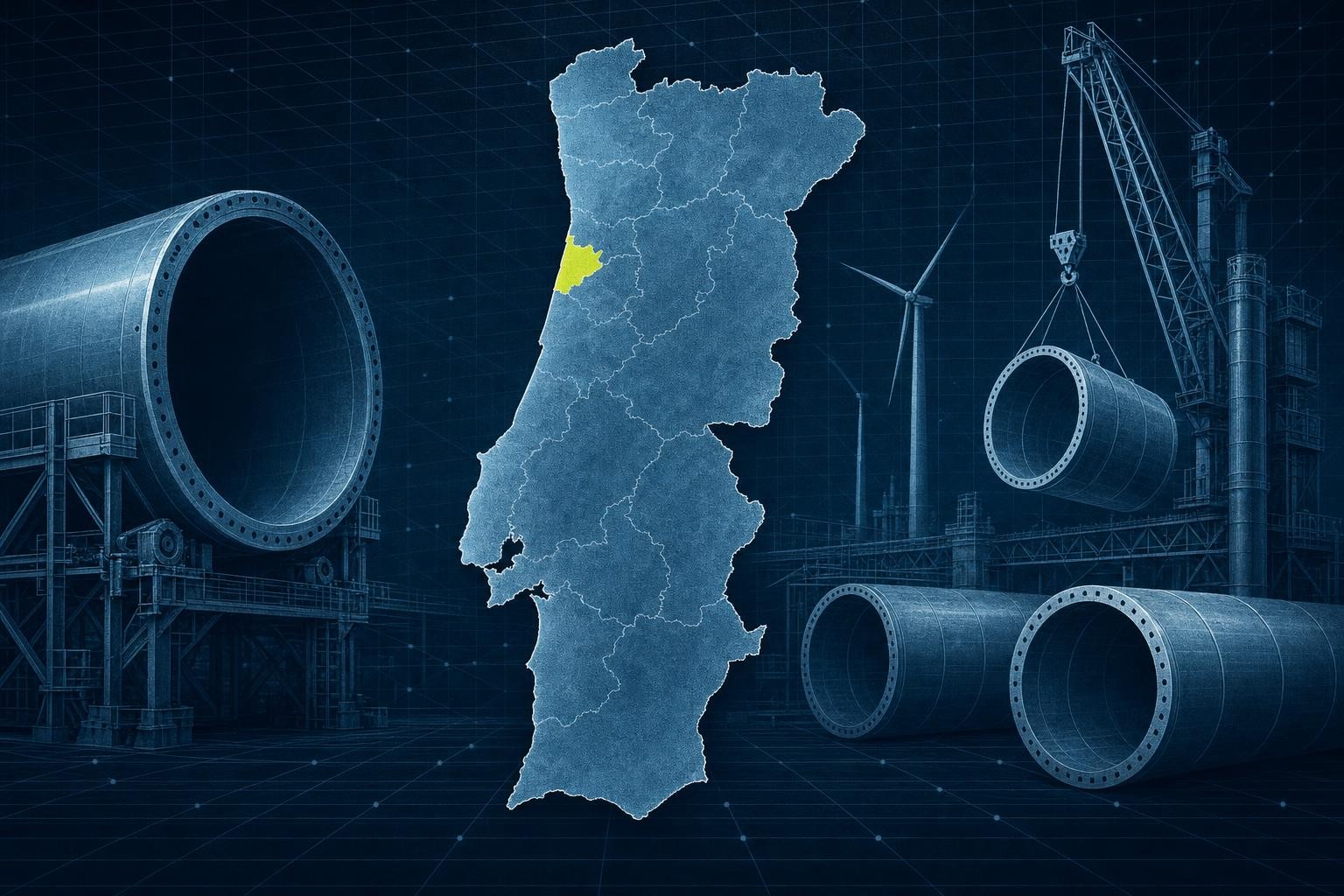
A 55-year-old worker died at CS Wind's offshore wind tower manufacturing plant at the port of Aveiro, Portugal, after being crushed by a heavy object, according to local media reports cited by trade press on 6 October 2026[1].
What happened
A worker died at CS Wind's turbine tower manufacturing factory at the port of Aveiro in Portugal, according to local media reports. The victim, aged 55, was crushed by a heavy object at the site. No further details about the precise circumstances - the equipment involved, the time of the incident, or whether emergency services were called - had been confirmed by CS Wind or Portuguese authorities in the reports reviewed.
CS Wind had not issued a public statement at the time of publication. The cause of the accident and whether a formal investigation has been opened by Portuguese workplace safety authorities remain unconfirmed.
The Aveiro facility
CS Wind's Aveiro plant is the company's primary European offshore wind tower production hub, located in the North Terminal of the Port of Aveiro in the municipality of Ílhavo. The site has undergone significant expansion in recent years: a second production unit, completed in May 2024, added 220,000 square metres and raised the facility's total annual offshore wind tower production capacity to approximately 140,000 tons, up from less than 100 units per year before the investment programme began.
The expansion was anchored by a €2.8 billion offshore wind tower supply agreement signed with Siemens Gamesa in 2022. CS Wind employs more than 1,200 people in Portugal, with the Aveiro complex serving as the group's main production base for the European and North American offshore markets.
The company - the world's leading manufacturer of wind turbine towers, headquartered in Seoul, South Korea - operates manufacturing facilities across China, Malaysia, Taiwan, Turkey, Vietnam, the United States, and Portugal.
Industry context
Fatal and serious accidents at wind manufacturing facilities are uncommon but not without precedent. In May 2026, a worker at a Siemens Gamesa blade plant in Hull, UK, was paralysed after a structure weighing approximately 800 kg collapsed on her; the company was subsequently fined £600,000. In March 2026, two workers died at the under-construction 86 MW Fischborn wind farm in Germany while working with an aerial work platform.
The frequency of such incidents has drawn renewed attention to occupational safety standards across the wind supply chain, particularly as factories scale up rapidly to meet European offshore demand.
What to watch
Portuguese labour inspectorate ACT (Autoridade para as Condições do Trabalho) has jurisdiction over workplace fatality investigations of this kind. Whether ACT has opened a formal probe, and whether CS Wind issues a public statement, will determine how much additional detail emerges. The incident comes as the Aveiro site is operating at significantly expanded capacity following its 2024 ramp-up, making the outcome of any safety review relevant to the facility's production schedule and its Siemens Gamesa supply commitments.
The images and texts on this page were created with the help of AI.
Related
 Markets & Policy
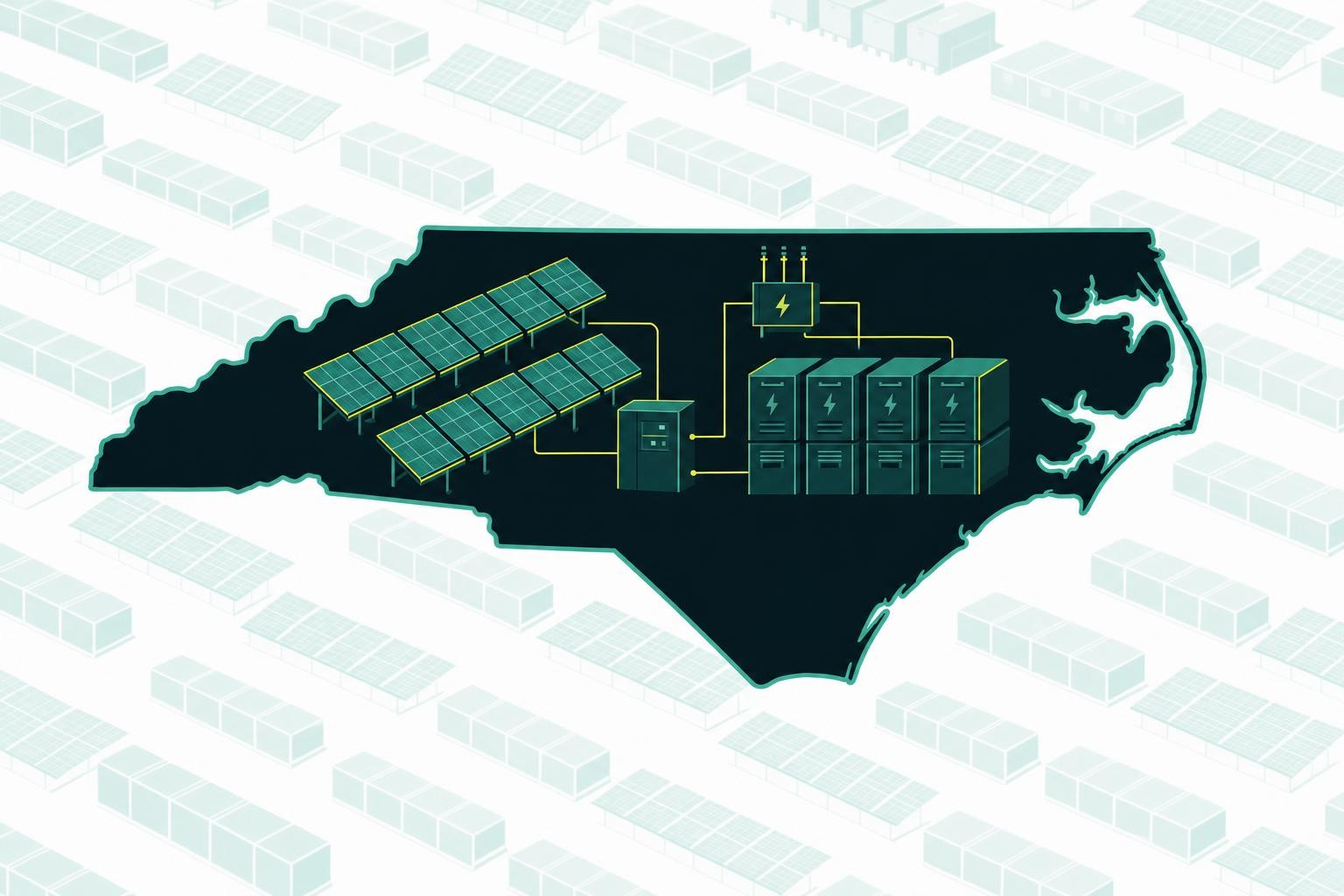
Beacon of Hope food pantry in Marshall, NC switches on first microgrid in state's $5 million Helene resilience program
Beacon of Hope Food Pantry in Marshall, NC has energised the first of 26 planned microgrids in a $5 million state program - but domestic-content rules are narrowing which sites can follow.
13 Oct 2026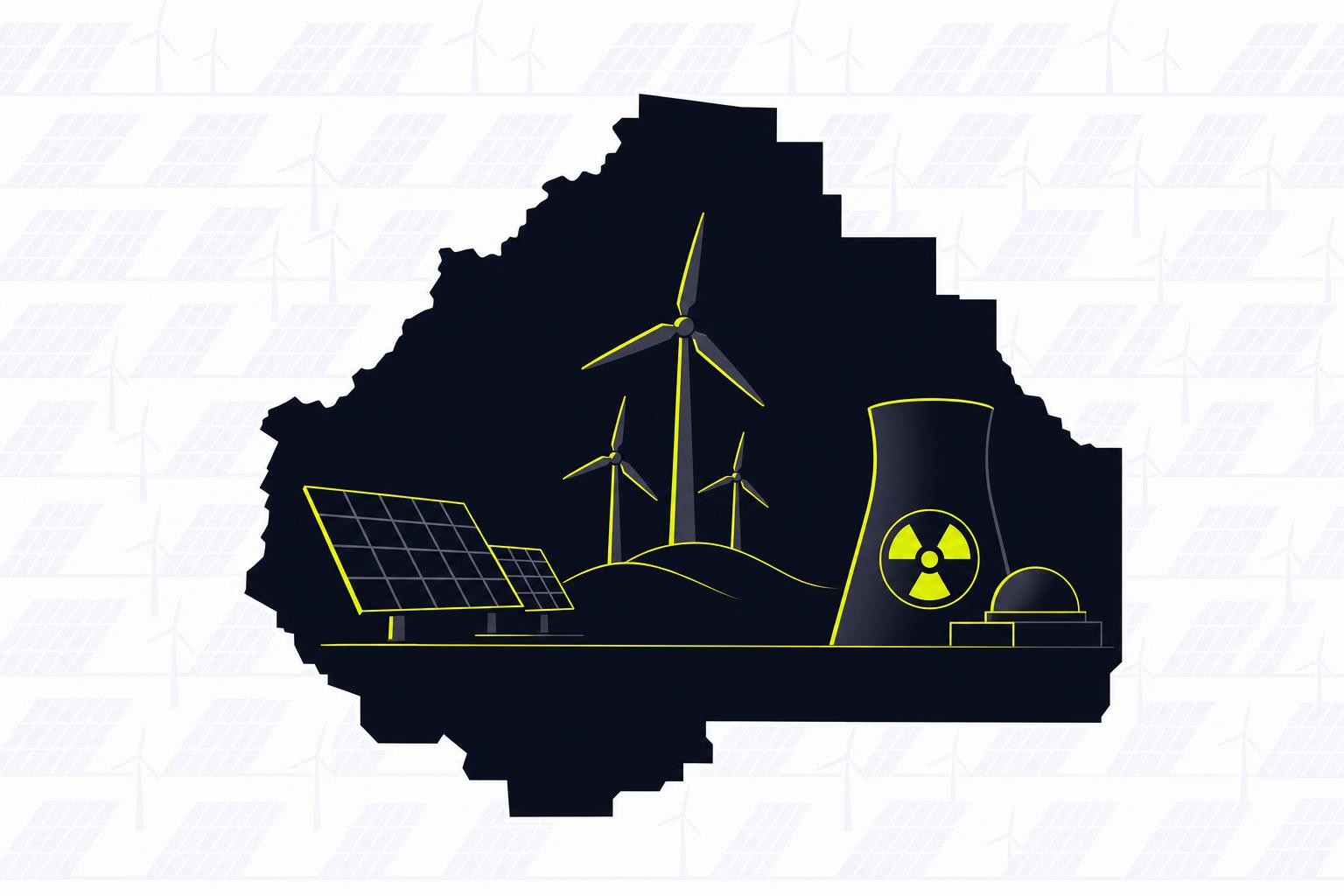 Markets & Policy
Bannock County, Idaho set to vote this fall on reversing its 2024 utility-scale renewables ban
Bannock County commissioners will vote this fall on a new ordinance that would lift a March 2024 ban on utility-scale solar and wind - and add nuclear - after Hecate Energy pulled out entirely.
13 Oct 2026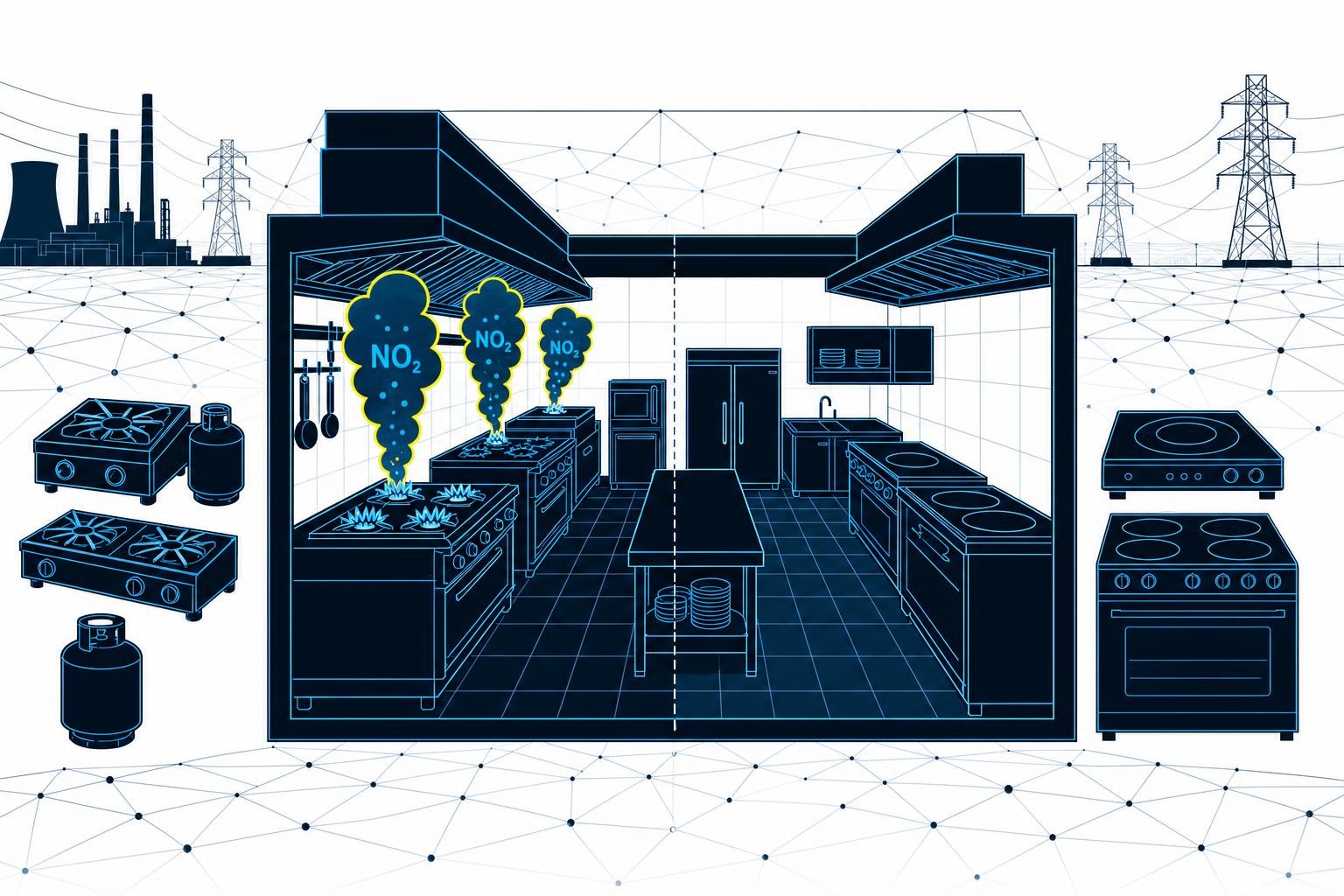 Markets & Policy
First U.S. study of real commercial kitchens finds gas and propane appliances push NO₂ above EPA limits in 70% of sites
A peer-reviewed study published 6 October 2026 in Environmental Research Letters finds gas and propane commercial kitchens routinely exceed EPA nitrogen dioxide limits, while all-electric kitchens do not.
13 Oct 2026