Brookfield and La Caisse complete C$9 billion take-private of Boralex, delisting expected 17 August
Brookfield and La Caisse completed their C$9 billion ($6.5 billion) acquisition of Canadian wind and renewables developer Boralex on 14 August 2026, ending its 29-year run as a public company.
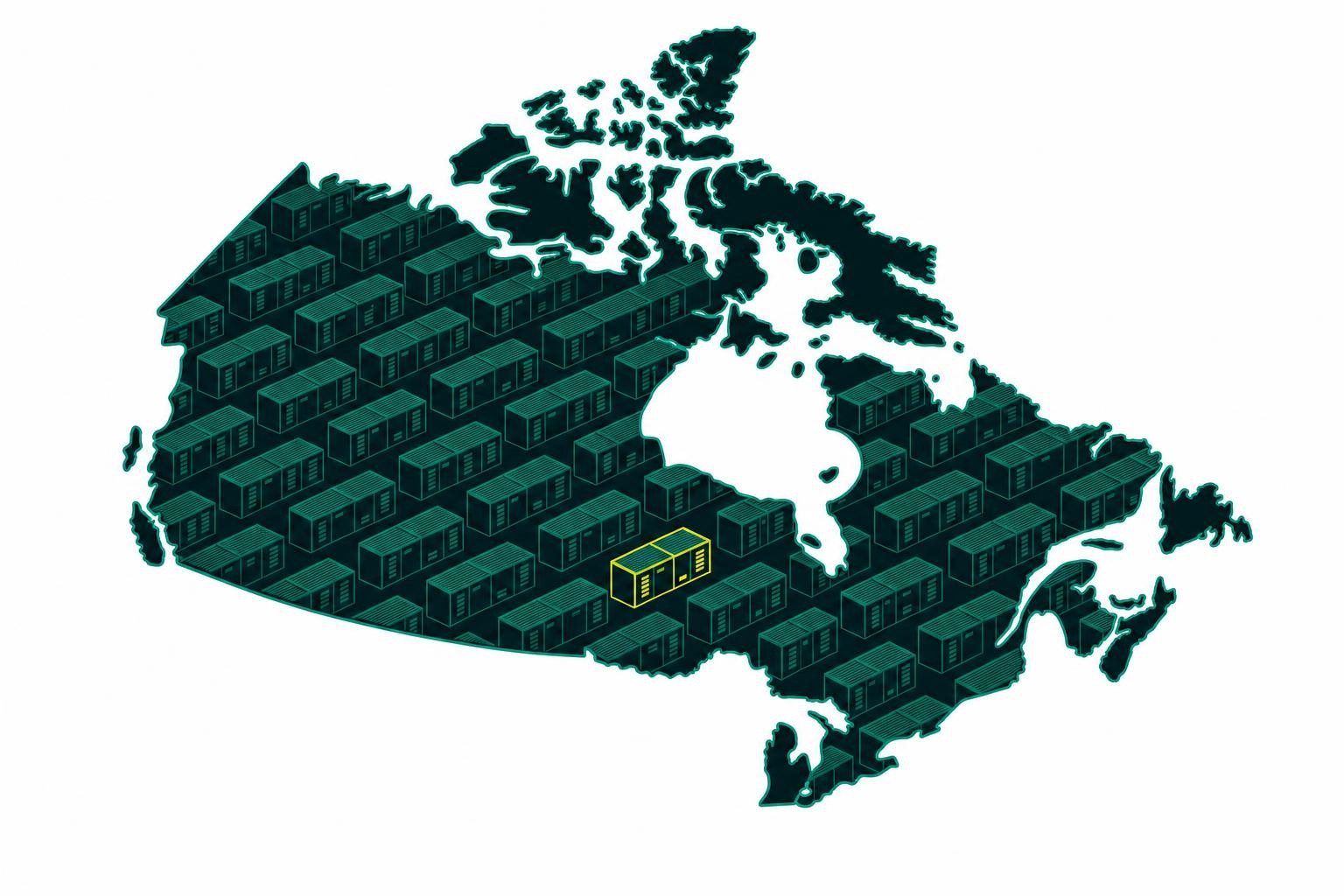
Brookfield and La Caisse completed their acquisition of Canadian renewables developer Boralex on 14 August 2026, paying C$37.25 per share in cash under a plan of arrangement governed by the Canada Business Corporations Act[1]. The transaction values Boralex at C$9 billion ($6.5 billion) on an enterprise basis, including debt. Shares are expected to be delisted from the Toronto Stock Exchange on or about 17 August 2026.
The deal structure
The acquisition vehicle, BIF Thunder Holdings, is jointly owned by Brookfield - acting through its flagship infrastructure strategy and institutional partners including Brookfield Renewable Partners - and La Caisse, the Québec pension fund manager formerly known as CDPQ. La Caisse, which already held approximately 15% of Boralex, will increase its stake to 30% through a post-closing investment, with Brookfield controlling the remaining 70%.
The offer represented a 31.8% premium to Boralex's closing price on 20 March 2026, the last full trading day before media reports of a strategic review. At the company's annual and special meeting on 4 June 2026, shareholders approved the arrangement with 99.86% of votes cast in favour. The Superior Court of Québec issued its final order the following day, and Boralex received all remaining regulatory approvals on 6 August 2026.
What Brookfield and La Caisse are buying
Boralex enters private ownership with:
- 3,783 MW of installed wind, solar, hydroelectric and battery storage capacity across Canada, France, the US and the UK
- More than 90% of assets contracted for an average remaining term of 10 years
- A 8.2 GW development pipeline of wind, solar and battery projects
- The position of France's largest independent onshore wind producer and a leading developer in the Canadian market
About 40% of the portfolio sits in Canada, a market where Brookfield has no other investment platform. France, where Boralex has operated for more than two decades, accounts for a significant share of installed capacity and the bulk of the development pipeline.
Why go private now
The deal fits a pattern of institutional capital absorbing listed renewables developers whose public valuations lagged the underlying asset quality. Boralex's shares had declined alongside other renewable-energy companies amid cost inflation, elevated interest rates and policy uncertainty. A TD Cowen analyst noted at announcement that publicly traded renewable IPPs were offering "more attractive valuation than private opportunities" - a dynamic Brookfield has moved to exploit across multiple platforms.
La Caisse executed a comparable transaction a year earlier, taking Innergex Renewable Energy private. Brookfield's acquisition of French developer Neoen is a parallel reference point. The Boralex deal extends both institutions' exposure to contracted, long-duration renewable cash flows in markets - Canada and France - where grid build-out is accelerating.
Boralex's management framed the move as enabling a more aggressive growth trajectory: the 8.2 GW pipeline implies nearly tripling installed capacity, a programme that private ownership is expected to fund without the quarterly earnings pressure of a TSX listing.
What to watch
Boralex will operate independently after closing, retaining its Québec headquarters. The immediate question is capital deployment pace: Brookfield and La Caisse have signalled a disciplined capital recycling programme alongside accelerated development, but the two objectives can pull in opposite directions in a market where grid connection timelines remain the binding constraint. Progress on the French and Canadian pipeline - and whether Brookfield routes additional assets into the Boralex platform - will be the clearest signal of how the new owners intend to use the private structure.
The images and texts on this page were created with the help of AI.
Related
 Markets & Policy
Section 232 tariffs trigger two US aluminum smelter restarts, but the power arithmetic still does not add up
Two US aluminum smelter restarts announced in 2026 will add more than 20% to primary output, but electricity costs and Missouri's large-load tariff remain structural ceilings on any broader revival.
15 Aug 2026 Storage
ESS Tech begins Bridge sodium-ion rollout backed by 8.5 GWh Alsym supply LOI and 500 MWh Juniper deployment agreement
ESS Tech has started market rollout of its Bridge sodium-ion BESS, underpinned by an 8.5 GWh Alsym Energy supply LOI and a 500 MWh+ Juniper Energy deployment agreement, as Q2 revenue fell to $73,000.
15 Aug 2026 Markets & Policy
Campbell and Geyer study in Science finds scrapping a working gas car for an EV cuts 16-year emissions by up to 58%
A study published in Science by UC Santa Cruz and UCSB researchers finds that replacing a gas vehicle with an EV as early as year one cuts lifecycle carbon emissions by up to 58% over 16 years.
15 Aug 2026