Beijing freezes approvals for new energy storage battery factories as planned capacity hits 1.5 times 2025 output
China's MIIT halted greenfield ESS battery factory approvals in May 2026, with ~100 new projects already announced carrying 2,608 GWh of planned capacity - nearly 1.5 times last year's total output.
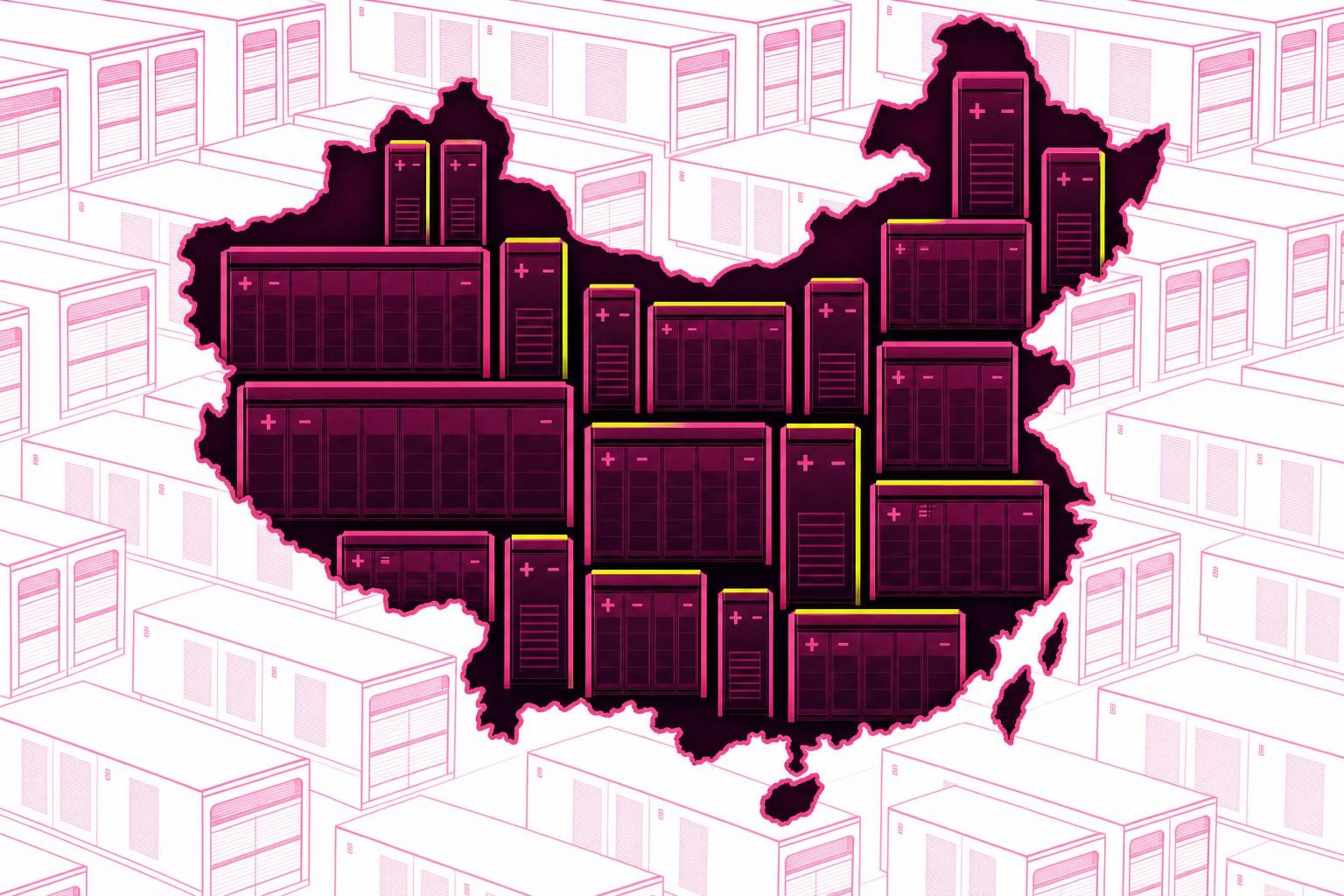
China's Ministry of Industry and Information Technology quietly froze approvals for new energy storage battery factories starting in May 2026, with the halt still in force as of October 2026[1]. The trigger: between January and July 2026 alone, roughly 100 new battery expansion projects had been announced, carrying planned annual capacity of approximately 2,608.5 GWh - nearly 1.5 times China's actual 2025 battery output of 1,755.6 GWh.
What the freeze covers - and what it does not
The suspension operates through provincial approval channels rather than a formal national decree, and it is not publicly announced[1]. Projects already under construction are unaffected; those that have not yet broken ground are on hold pending a year-end review of sector capacity.
Consumer-electronics batteries and raw-material projects are exempt. The freeze targets cell manufacturing for grid-scale energy storage and electric vehicles - the two segments where the capacity glut is most acute.
Regulators also ordered six major producers - including CATL and BYD - to submit three-year production plans, and established an early-warning monitoring system for the sector. The move follows at least two earlier warnings from MIIT to manufacturers to avoid excess capacity growth.
The numbers behind the glut
The scale of the imbalance is striking:
- Chinese firms accounted for more than 90% of global energy storage battery shipments in 2025, according to Shenzhen-based consultancy Gaogong Industry Institute.
- Stationary storage battery pack prices collapsed 45% year-on-year to a global average of roughly $70/kWh by 2025, with Chinese turnkey BESS systems at approximately $73/kWh compared to $219/kWh in the United States.
- The top ten manufacturers control about 70% of planned new capacity, yet the broader market still has more than 1,000 ESS companies competing for share.
The price collapse reflects a dynamic familiar from Chinese solar and EV manufacturing: government-directed expansion, local-government competition for prestige investment, and cheap credit converging into a structural glut faster than global demand can absorb it.
The 75% utilisation rule as a consolidation filter
Embedded in the freeze is a threshold that matters more than the headline ban. Manufacturers are reportedly penalised if facility utilisation falls below 75%. That single number functions as a consolidation filter: a factory running well below capacity faces regulatory penalties and financing difficulty simultaneously - precisely the conditions that force sub-scale producers to exit or merge.
CATL, which reported capacity utilisation of 96.9% in 2025, is structurally positioned to benefit. Smaller producers with newer, underloaded lines are not. The freeze, in effect, accelerates a shakeout that falling prices had already begun.
What to watch
The year-end 2026 capacity review will determine whether the freeze becomes a longer-term ceiling or a temporary pause. Three-year production plans due from CATL, BYD and four other major manufacturers will be the clearest signal of where Beijing intends to set the capacity ceiling. Buyers outside China should also watch whether the early-warning monitoring system evolves into a formal quota regime - and whether the US executive order signed in August 2026, which directed the Department of Energy to bar purchases of foreign-produced BESS equipment from national-security-risk countries, accelerates domestic manufacturing investment before Chinese supply tightens further.
The images and texts on this page were created with the help of AI.
Related
 Markets & Policy
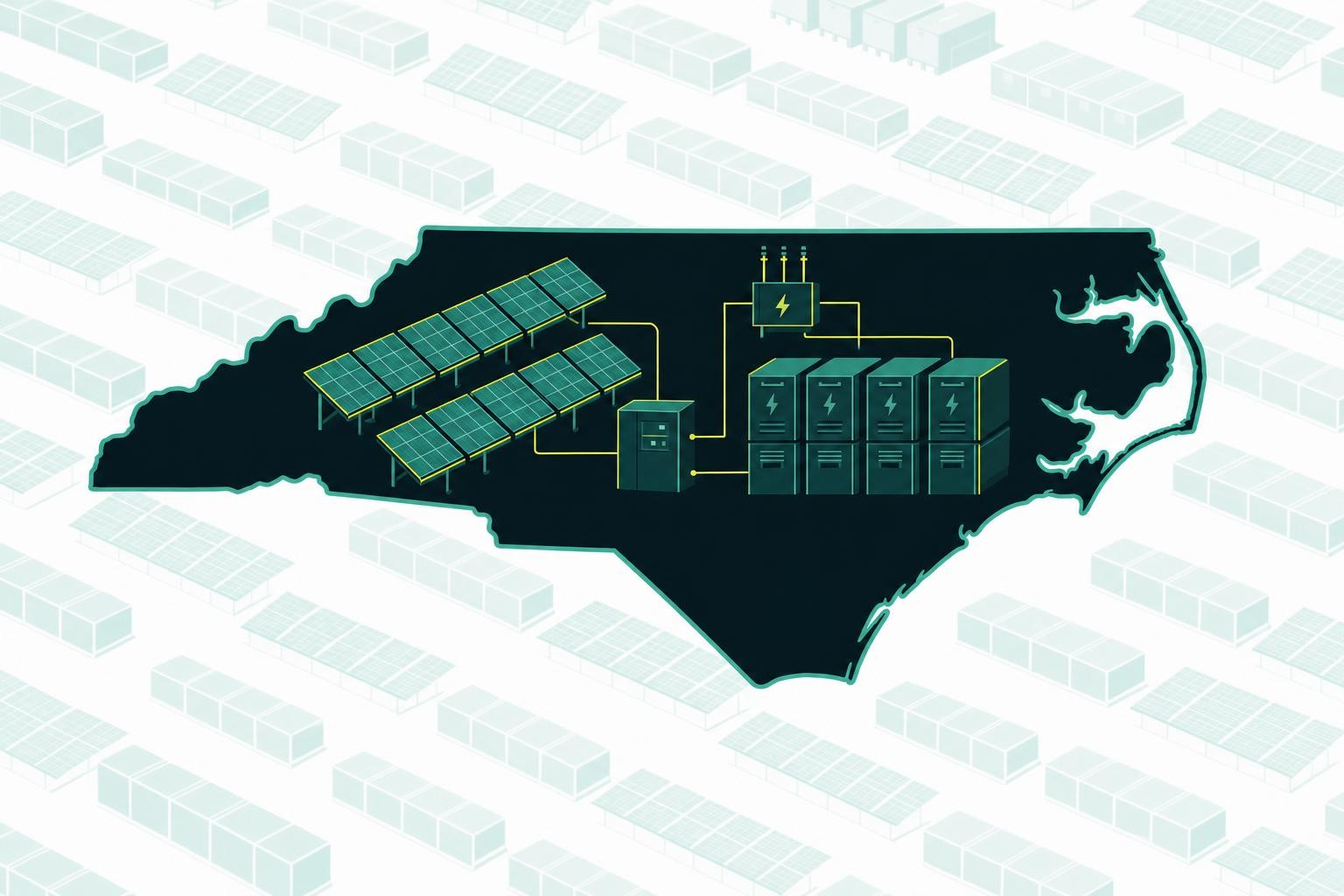
Beacon of Hope food pantry in Marshall, NC switches on first microgrid in state's $5 million Helene resilience program
Beacon of Hope Food Pantry in Marshall, NC has energised the first of 26 planned microgrids in a $5 million state program - but domestic-content rules are narrowing which sites can follow.
13 Oct 2026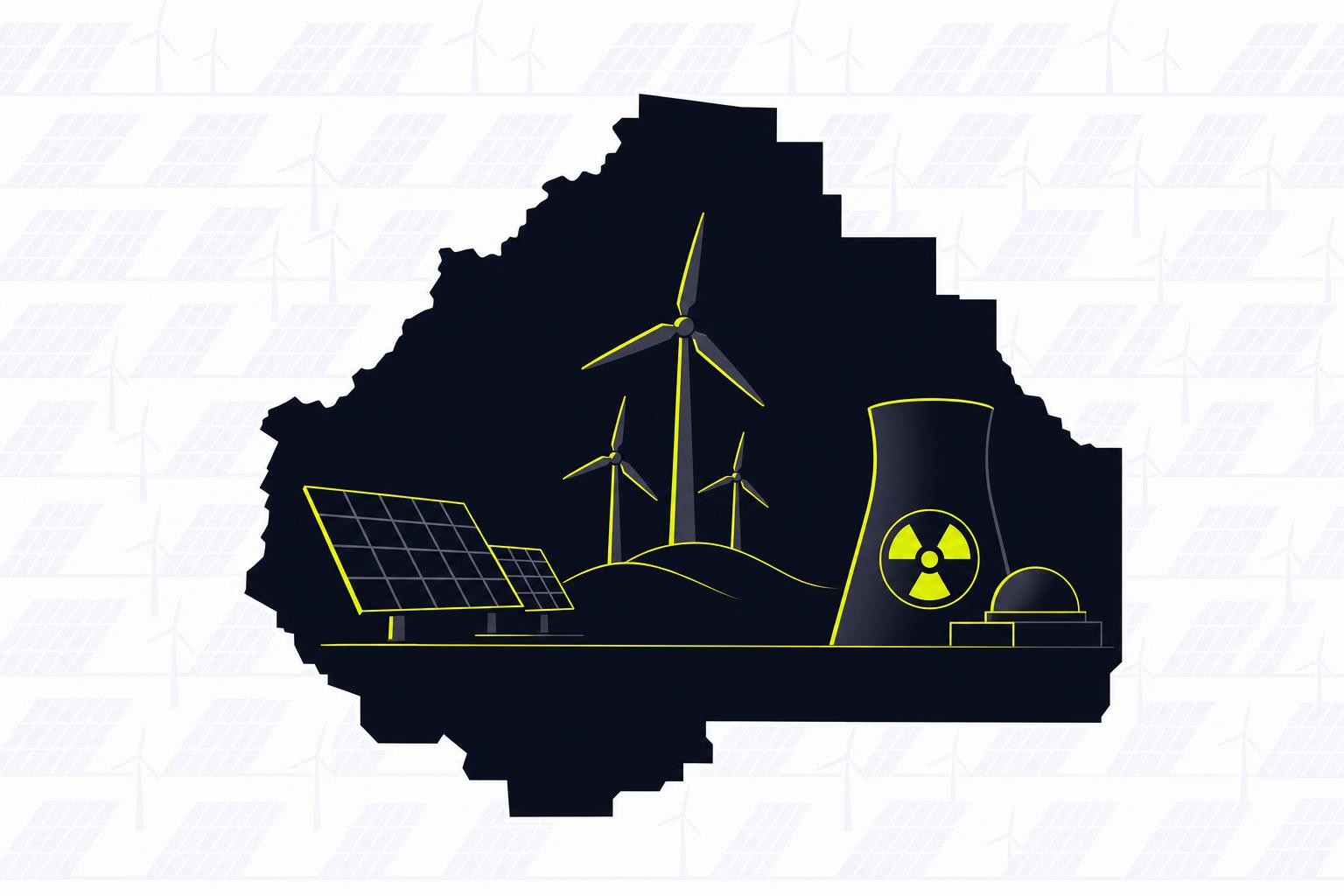 Markets & Policy
Bannock County, Idaho set to vote this fall on reversing its 2024 utility-scale renewables ban
Bannock County commissioners will vote this fall on a new ordinance that would lift a March 2024 ban on utility-scale solar and wind - and add nuclear - after Hecate Energy pulled out entirely.
13 Oct 2026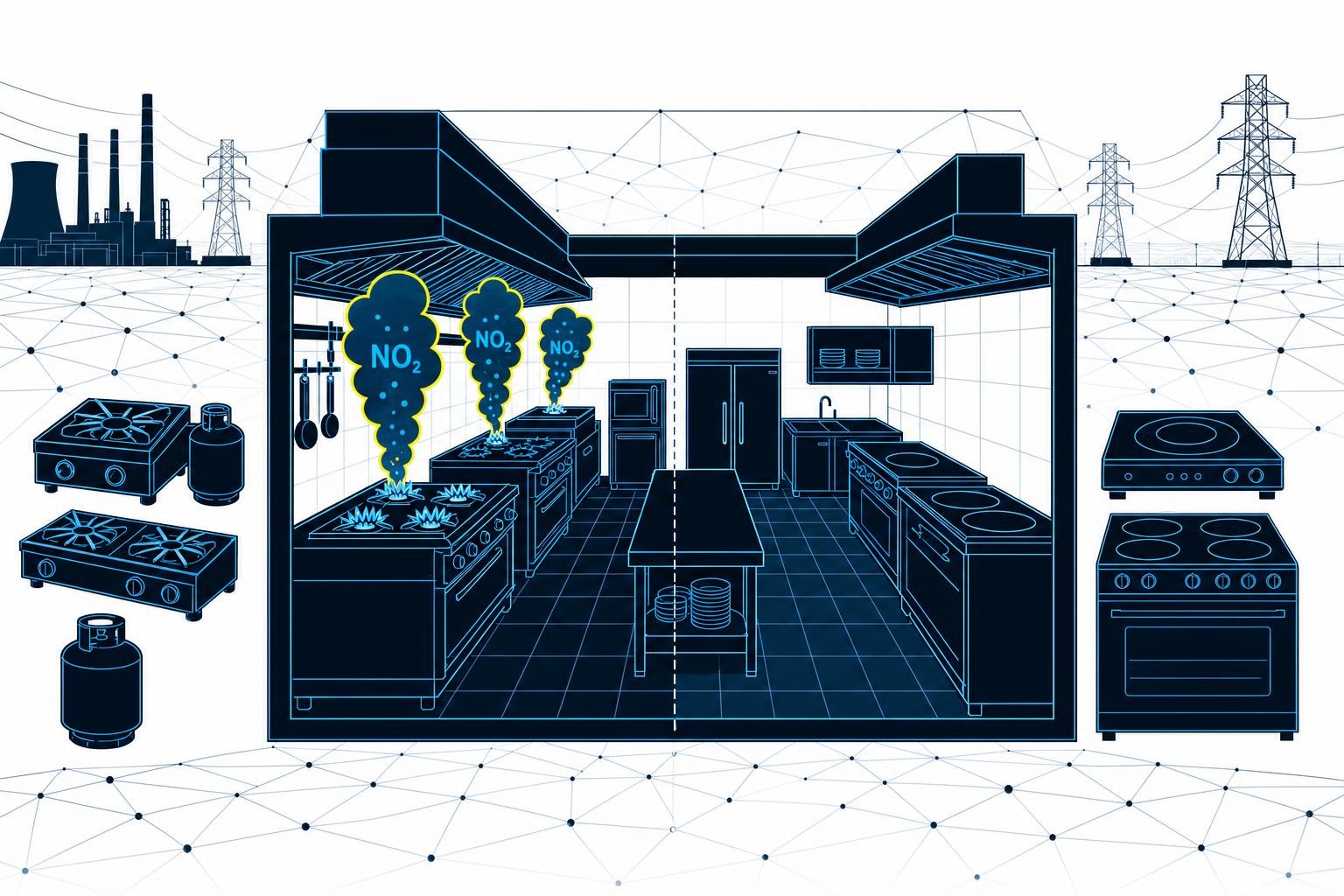 Markets & Policy
First U.S. study of real commercial kitchens finds gas and propane appliances push NO₂ above EPA limits in 70% of sites
A peer-reviewed study published 6 October 2026 in Environmental Research Letters finds gas and propane commercial kitchens routinely exceed EPA nitrogen dioxide limits, while all-electric kitchens do not.
13 Oct 2026