Ofgem publishes consumer protection guidance for the SSES load control licence ahead of end-2026 application window
Ofgem has issued compliance guidance for Flexibility Service Providers under the incoming Smart Secure Electricity Systems load control licence, with applications due to open by end-2026.
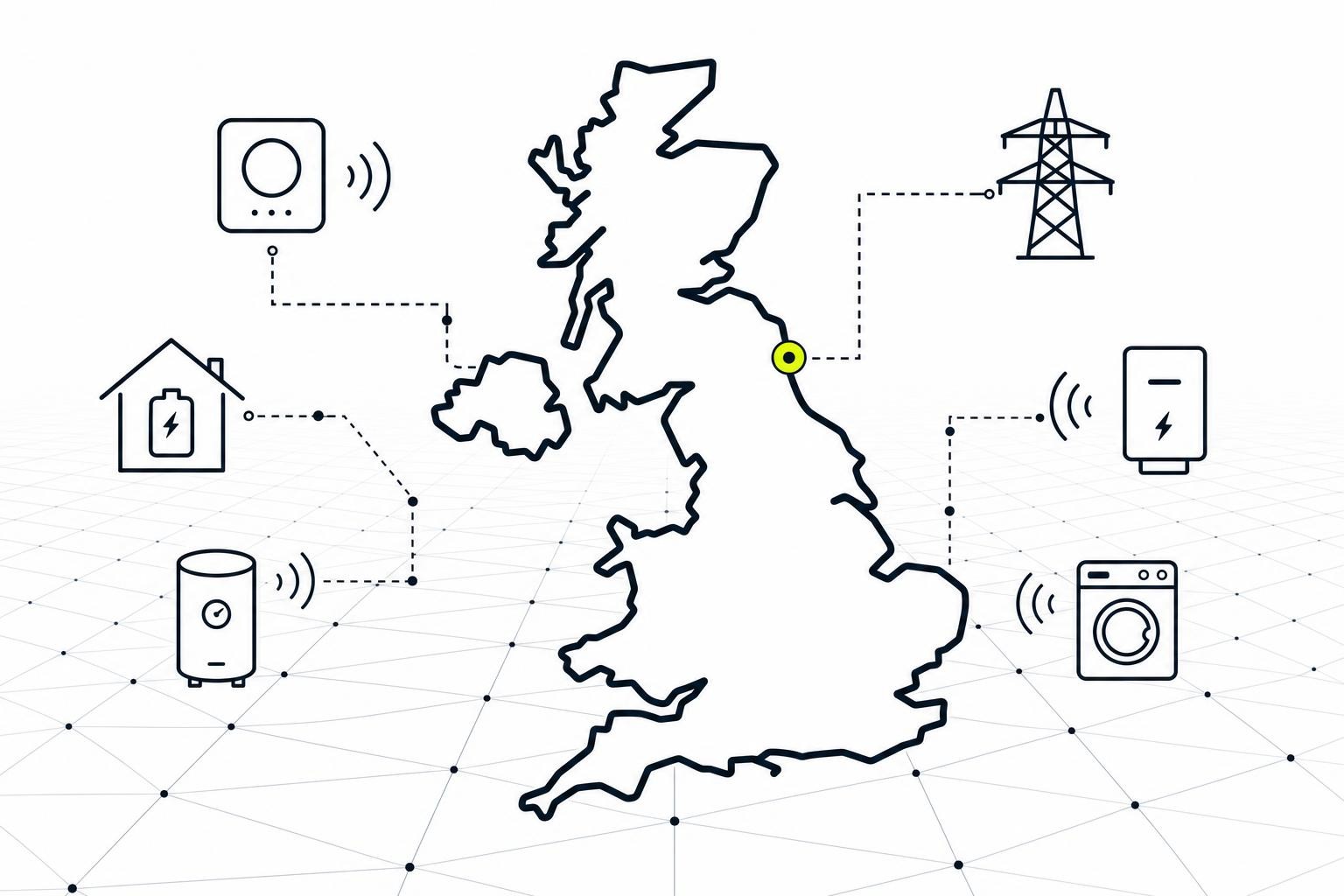
Ofgem has published its consumer protection guidance for the Smart Secure Electricity Systems (SSES) load control licence, setting out the compliance obligations that Flexibility Service Providers (FSPs) will be required to meet once the new licensing regime takes effect[1]. The guidance is the finalised version of the draft that accompanied Ofgem's December 2025 consultation on implementing the regime, and it arrives as DESNZ prepares to lay the enabling regulations in Autumn 2026.
What the licence covers
The load control licensing regime is designed to regulate entities that control the flow of electricity into or out of domestic Energy Smart Appliances (ESAs) - including EV chargers and heat pumps - in response to digital signals[1]. The scope also extends to certain ancillary devices used to control load on ESAs and private EVs.
The regime splits licensees into two categories with distinct obligations:
- Load Controllers (LCs) - required to meet cyber security requirements and comply with relevant industry codes; a basic and enhanced tier of requirements scales with aggregate load, with the enhanced tier applying above 300 MW[1]
- Flexibility Service Providers (FSPs) - required to meet the consumer protection conditions set out in the guidance now published, covering fair treatment, complaints and redress, and protections for vulnerable consumers
Unlicensed load control activity will become a criminal offence once the regime is fully in force, with Ofgem as the enforcing authority.
Consumer protection framework
The guidance sets a baseline standard for FSPs engaging domestic consumers in load control arrangements. The framework is designed to align, where possible, with existing electricity supply licence protections rather than create parallel obligations - an explicit policy choice to limit regulatory divergence and administrative burden on businesses that already hold a supply licence.
Key requirements include:
- Fair treatment and transparent service offerings, enabling consumers to compare products without being unfairly locked into contracts
- Simple and consistent complaints and redress processes
- Additional protections for consumers in vulnerable situations
- Phased implementation, with the first set of requirements representing a minimum standard that will be built on over time[1]
Consumer protection requirements will be phased in over time, with the initial obligations representing a minimum standard of acceptable protection.
Timeline
DESNZ intends to lay the Load Control Licence Regulations in Autumn 2026, with licence applications opening by the end of 2026. The legal requirement to hold a licence is expected to come into force by the end of 2027, following a 12-month statutory transition period during which unlicensed activity will not be an offence.
Ofgem will manage the full licence application review process for the first 12 months from the application window opening, before governance responsibilities evolve toward industry-led arrangements under the SSES enduring governance framework.
What to watch
The publication of final consumer protection guidance clears one of the remaining pre-application milestones. DESNZ still needs to lay the statutory instrument and finalise the class exemptions order - which will determine which technologies and consumer types fall outside the licensing requirement entirely. Prospective licensees, particularly those operating at the intersection of EV charging and domestic flexibility, should now be assessing their compliance posture against the published guidance ahead of the application window opening later this year[1].
The images and texts on this page were created with the help of AI.
Related
Ready-to-build BESS projects lose their premium as Australia's NEM arbitrage spreads collapse 85%
Panellists at the Battery Asset Management Summit Australia 2026 said the venture-capital-style returns that once rewarded ready-to-build BESS projects have disappeared as NEM price spreads fell 85% in a year.
10 Sept 2026UK government opens three-month consultation on AI for clean energy, backed by 34-recommendation network review
DESNZ published its Vision for an AI-enabled clean energy system on 8 September, opening a call for evidence that closes 6 November and will feed into the UK's first AI for Clean Energy Strategy.
10 Sept 2026Heatwaves expose a three-layer risk for wind operators: resource, hardware, and people
Extreme heat cuts wind output, stresses nacelle components, and grounds maintenance crews - all at once. A look at how bad the summer of 2026 has been, and what the trend means for grid reliability.
10 Sept 2026