UK Energy Secretary Fahnbulleh calls for systemic overhaul, citing grid failures and consumer cost crisis
Speaking at Energy UK's annual conference on 14 October, DESNZ Secretary Miatta Fahnbulleh declared the UK energy system is failing consumers and demanded structural reform beyond piecemeal adjustment.
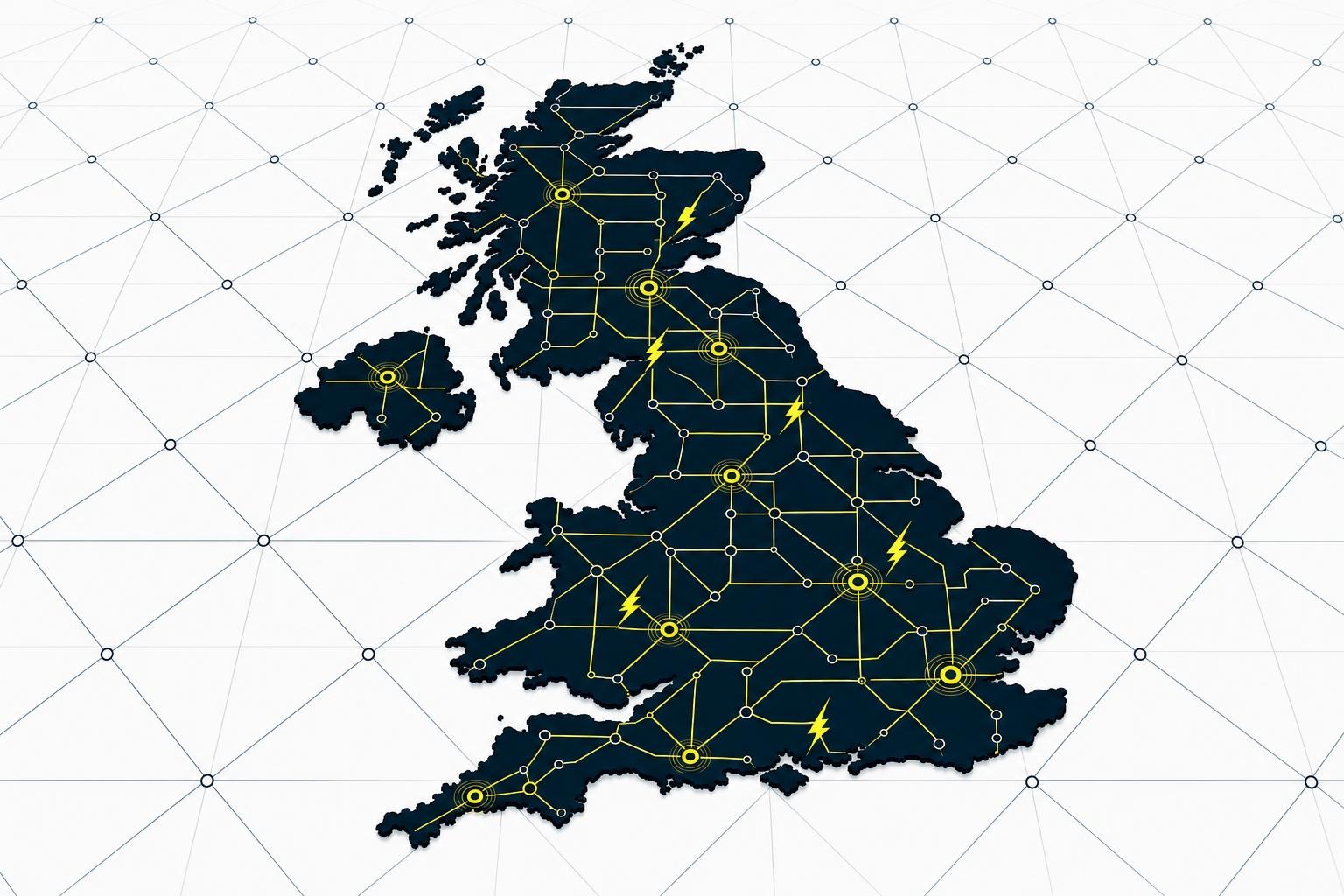
Speaking at Energy UK's annual conference in Westminster on 14 October 2026, UK Energy Secretary Miatta Fahnbulleh declared the country's energy system is "simply not working" for consumers and called for structural reform that goes beyond incremental policy adjustment.[1]
What Fahnbulleh said
Fahnbulleh identified three interlocking failures she said the current system has produced[1]:
- Excessive exposure to volatile global fossil fuel markets
- Investable projects unable to secure timely grid connections
- Spiralling network constraint costs that fall on consumers
"It is the recognition that even the best companies cannot compensate for a system that lacks sufficient coordination and long-term direction," she told delegates, adding that the system is "failing in its central purpose of providing this essential good to the British public at reasonable cost."[1]
She was explicit that the VAT cut on energy bills introduced by Prime Minister Andy Burnham's government provides only temporary relief. The VAT removal is estimated to save the average household around £120 a year, but Fahnbulleh said it "cannot be a substitute for the big changes that we need to deliver in the energy system to drive down costs for good."[1]
The constraint problem behind the rhetoric
The grid constraint figures give Fahnbulleh's language its weight. Constraint actions in Great Britain increased from 11 TWh in 2024 to 14.37 TWh in 2025, while the cost of thermal constraints rose from £1.48 billion to £1.82 billion - a 23% increase in a single year, according to NESO data. Wind generators received approximately £370 million to turn down in 2024/25, while around £910 million was spent on gas generation brought online to replace constrained electricity.
The Scotland-to-England transmission bottleneck is the structural driver. Over 98% of curtailed volume and 94% of curtailment costs in 2025 were attributable to turning down wind turbines in Scotland, according to Montel's curtailment analysis. The grid cannot move the power to where demand sits.
Fahnbulleh acknowledged the problem directly in her speech: "A system can have ambitious targets, it can have willing investors, it can have viable projects. But if the networks cannot connect them, those ambitions remain on paper."[1]
Great British Grid as the structural response
The conference speech follows Burnham's announcement at Labour Party conference on 29 September 2026 of Great British Grid - a new publicly owned body within Great British Energy designed to invest in transmission infrastructure, accelerate connection times, and introduce competition into a market that has been privately operated since the Thatcher era. GB Grid is expected to draw on roughly £4 billion of Great British Energy's £8.3 billion budget, with longer-term funding to be settled at a future spending review.
Fahnbulleh framed GB Grid as the institutional expression of the principle she outlined at Energy UK: that government must actively shape markets rather than merely respond to them.
What to watch
The immediate test is whether GB Grid's mandate translates into measurable reductions in connection queue times and constraint costs before the next spending review. Ofgem has already authorised up to £90 billion in transmission investment from the three major network operators, but those upgrades carry delivery timelines of at least five years - meaning constraint costs will remain a live political liability for Fahnbulleh well into the parliament.
The images and texts on this page were created with the help of AI.
Related
 Renewables
RenewableUK hands out 14 awards at fifth annual Global Offshore Wind ceremony in London
RenewableUK presented 14 awards at the Royal Lancaster London on 13 October 2026, with Ocean Winds, ScottishPower Renewables and RWE among the winners across projects, people and industry priorities.
15 Oct 2026 Renewables
Panasonic's Aquarea N Series brings R454C refrigerant to residential heat pumps ahead of April 2027 European launch
Panasonic has unveiled the Aquarea High-Performance N Series, four air-to-water heat pump models using R454C refrigerant with a GWP of 148, targeting European residential markets from April 2027.
15 Oct 2026 Grid
GridAI is both the grid's biggest new problem and one of its most promising tools
AI data centres drove a 50% surge in electricity consumption in 2025 and are triggering a gas-plant buildout that could lift US power sector emissions by up to a third. The same technology is also cutting curtailment and improving dispatch. Grid professionals need both sides of the ledger.
15 Oct 2026