ESS Tech posts $15.6 million Q2 loss as it pivots to sodium-ion and pursues a $515 million business combination
ESS Tech reported a $15.6M Q2 net loss and near-zero revenue on 11 August, even as it signed Na-ion supply and deployment LOIs and disclosed a non-binding merger deal valued at ~$515M.
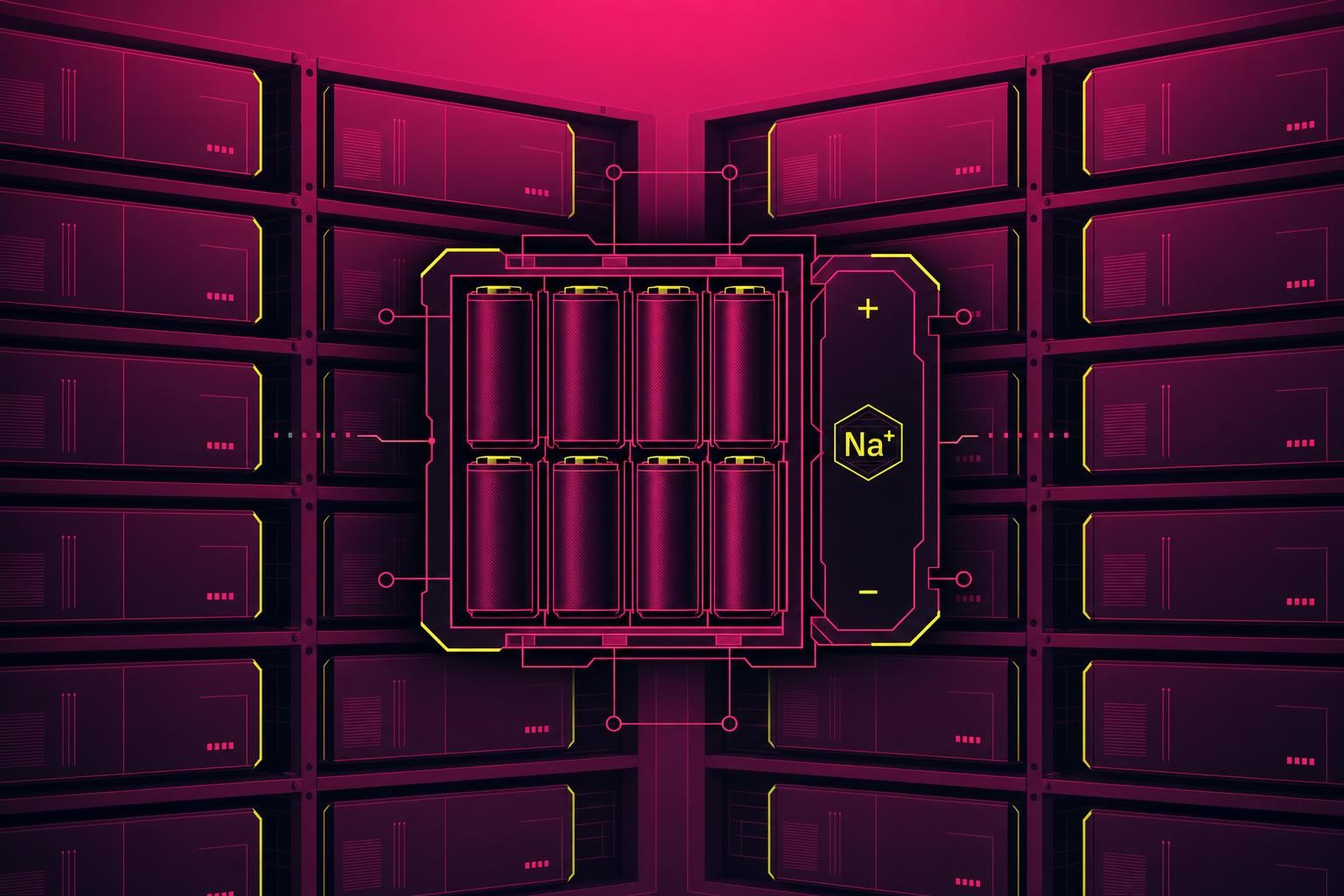
ESS Tech Inc (NYSE: GWH) reported a net loss of US$15.6 million for Q2 2026, up 41% from US$11.1 million in the prior-year period, when it released its second-quarter financial results on 11 August[1]. Revenue collapsed to US$73,000, a 97% decline from US$2.4 million a year earlier, as the Wilsonville, Oregon company wound down legacy iron-flow contracts and shifted resources toward its new sodium-ion platform[1].
The sodium-ion pivot
The headline commercial move is a non-binding letter of intent with Massachusetts-based Alsym Energy, signed in April, to add 8.5 GWh of U.S.-made sodium-ion cells and modules to ESS's product portfolio[1]. The agreement extends ESS's non-lithium offering into short- and medium-duration applications that have historically been served by lithium-ion systems.
Alsym's cells use a proprietary cathode chemistry designated NFPP+ - sodium iron phosphate pyrophosphate - which the company claims eliminates thermal runaway risk at the chemical level rather than through system-level engineering controls. The NFPP crystal structure expands and contracts by less than 4% during charge and discharge cycles, compared with 6-10% for lithium-ion cathodes, reducing the micro-cracking that causes capacity fade over time. Alsym targets cell and module shipments to strategic partners starting in Q3 2026.
A second LOI, signed with California renewables developer Juniper Energy in July, covers 500 MWh or more of sodium-ion deployments across multiple projects[1]. The anchor project is a 10 MW / 80 MWh BESS in California, targeted for commercial operation in 2027, which is expected to use ESS's Bridge™ modular sodium-ion system.
Bridge™ development timeline
ESS's Bridge™ product is the vehicle for converting the Alsym supply agreement and Juniper deployment LOI into revenue. Key milestones disclosed on the earnings call:
- First Bridge module built; initial charge and discharge testing underway
- First full-scale in-house system expected toward end of 2026
- Customer demonstrations planned for Q4 2026
- First commercial deployment targeted for 2027 through the Juniper partnership
Management said early-stage opportunities for the Bridge platform are approaching US$1 billion across data centers, critical infrastructure, and utility markets. Those figures represent pipeline, not contracted revenue, and the company provided no timeline for conversion to bookings.
Financial position and the business combination
The financial picture remains strained. Net cash used in operating activities was US$22.4 million for the first half of 2026[1]. ESS has partially offset that pressure by cutting first-half operating expenses by 12% year-over-year and repaying US$37 million of a US$40 million promissory note with Yorkville Advisors.
The more consequential disclosure came on 6 August, when ESS announced a non-binding LOI for a business combination with an undisclosed private company in the energy sector. The implied combined enterprise value is approximately US$515 million. ESS is targeting a definitive agreement by the end of September 2026 and a close before year-end, subject to due diligence, board and stockholder approvals, and regulatory clearances. CEO Drew Buckley described the counterparty as an energy sector company with an established commercial platform, with the logic being to pair ESS's technology and manufacturing base with an operating entity that has existing customer reach.
What to watch
The next test is whether Bridge™ completes full-scale testing and reaches customer demonstration in Q4 2026 on schedule - that milestone is the prerequisite for the Juniper 2027 commercial deployment and for converting the near-$1 billion pipeline into bookings. The business combination timeline is equally tight: a definitive agreement by end of September leaves little room for due diligence complications. Both the Alsym and Juniper LOIs remain non-binding, and the company's near-zero revenue base means any slip in either deal materially extends the path to cash generation.
The images and texts on this page were created with the help of AI.
Related
 Markets & Policy
Tariffs are reviving US aluminum smelting, but the power problem has not gone away
Section 232 tariffs have triggered the first US smelter restarts in years, but electricity costs and competition from data centers remain the industry's structural ceiling.
14 Aug 2026 Storage
RelyEZ refiles HKEX application as Chinese storage firms treat Hong Kong as gateway to global capital
RelyEZ Energy Storage Technology refiled its HKEX Main Board application on 9 August 2026, joining a wave of Chinese storage firms using Hong Kong as a bridge to institutional investors worldwide.
14 Aug 2026 Renewables
Greece's fire service launches nationwide wind farm probe after Boeotia megafire kills two
Greek prosecutors have ordered a nationwide inspection of all ~450 wind farms after a faulty private power line was blamed for a megafire that burned more than 11,200 hectares west of Athens.
14 Aug 2026