Ofgem publishes final DCC remuneration guidance under Condition 20, tying senior pay to consumer outcomes ahead of 2 November transfer
Ofgem has finalised guidance linking DCC2 senior manager pay to operational performance and consumer value, issued under Condition 20 of the Smart Meter Communication Licence ahead of the 2 November 2026 handover.
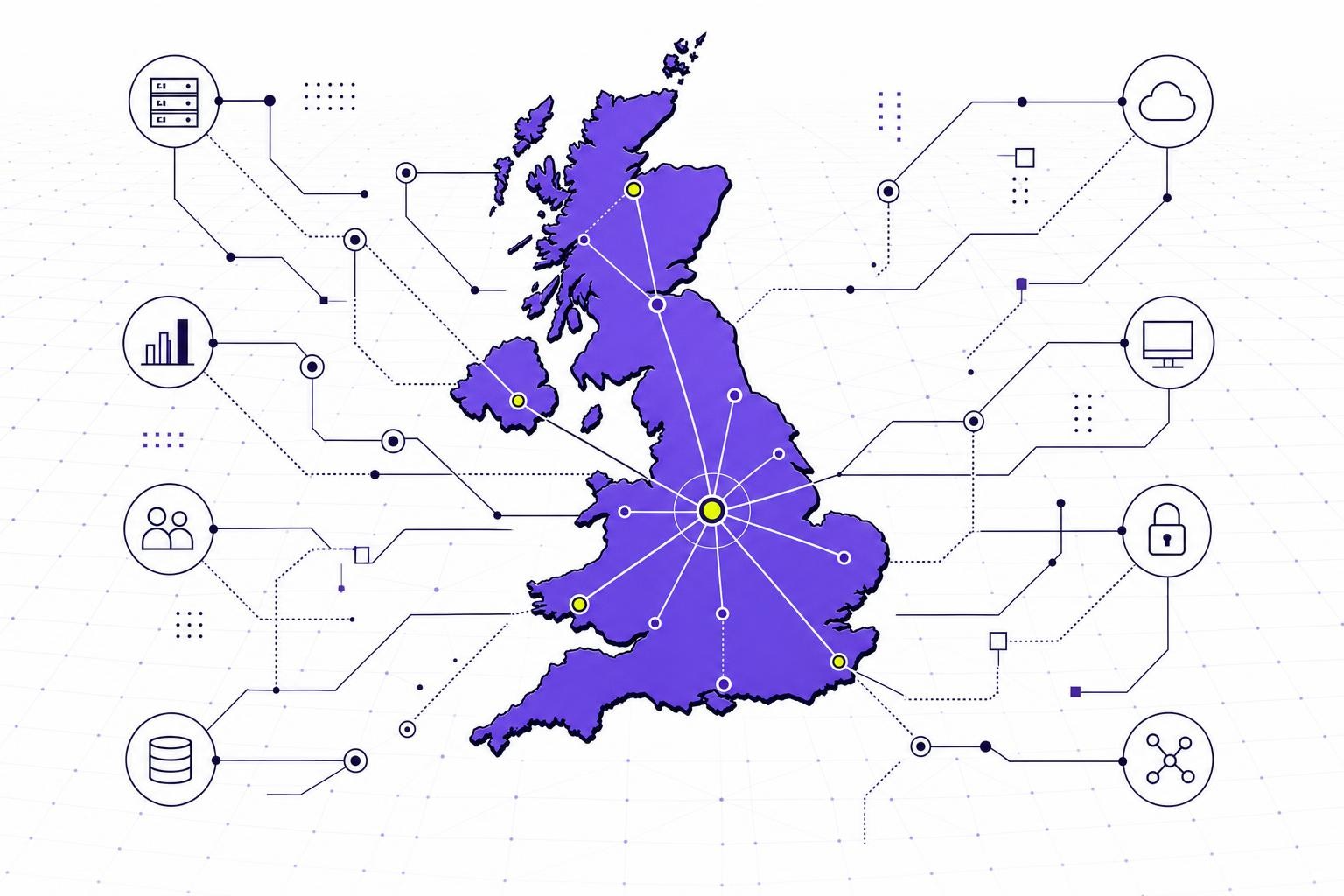
Ofgem has published its final remuneration policy guidance for the Data Communications Company, setting out how senior manager pay at the successor licensee DCC2 must be tied to operational performance and value for consumers[1]. The guidance is issued under Condition 20 of the Smart Meter Communication Licence and arrives less than two months before the planned transfer date of 2 November 2026, when DCC2 Ltd takes over from the incumbent Smart DCC Ltd.
What the guidance requires
The remuneration policy sits alongside the wider DCC2 accountability framework, which covers operational performance, business planning, and cost control[1]. Ofgem has not published a fixed pay formula; instead it sets expectations that DCC2's board must design a senior manager remuneration structure that reflects delivery against key performance indicators, customer satisfaction outcomes, and cost management against approved ex-ante allowances.
At the end of each regulatory year, Ofgem may publish a report assessing DCC's performance against KPIs, customer satisfaction survey results, cost management, and delivery of price-control-funded initiatives. That annual report is explicitly framed as a reputational incentive on DCC2's owners, board, and senior management.
The DCC2 framework it sits within
The remuneration guidance is one component of a broader regulatory overhaul. Key elements of the new regime include:
- A shift from ex-post to ex-ante cost control - the first price control period runs from November 2026 to March 2028, and is the first time Ofgem has assessed DCC's revenues fully upfront
- A not-for-profit governance model: DCC2 Ltd, a wholly owned subsidiary of the Smart Energy Code Company (SECCo) Ltd, was formally awarded the Smart Meter Communication Licence on 14 April 2026
- Majority independent governance and a technology roadmap obligation
- A Joint Handover Steering Group, chaired independently, to oversee the transition and monitor risk
The licence awarded to DCC2 runs for an initial fixed term of six years from the transfer date, with extension possible subject to conditions.
Why the timing matters
The publication of final remuneration guidance this close to the transfer date signals that Ofgem wants the accountability architecture in place before DCC2 takes operational control, not after. Under the previous DCC1 regime, performance incentives operated through an Operational Performance Regime that placed margin at risk - but that mechanism applied to the organisation's financial return, not directly to individual senior manager compensation.
Extending performance linkage to personal remuneration is a structural tightening. It is consistent with Ofgem's broader direction across regulated sectors: the regulator has used similar mechanisms in network price controls to align executive incentives with consumer outcomes.
Ofgem is also consulting separately on proposed changes to Regulatory Instructions and Guidance for DCC covering the second price control period starting 1 April 2028, with responses due 31 August 2026. That consultation, combined with the remuneration guidance, completes the accountability stack Ofgem is building around DCC2 before the handover.
The question to watch is how DCC2's board translates the guidance into a concrete pay structure - and whether Ofgem's annual performance reports will carry enough public weight to act as the reputational lever the regulator expects them to be.
The images and texts on this page were created with the help of AI.
Related
 Renewables
RenewableUK hands out 14 awards at fifth annual Global Offshore Wind ceremony in London
RenewableUK presented 14 awards at the Royal Lancaster London on 13 October 2026, with Ocean Winds, ScottishPower Renewables and RWE among the winners across projects, people and industry priorities.
15 Oct 2026 Renewables
Panasonic's Aquarea N Series brings R454C refrigerant to residential heat pumps ahead of April 2027 European launch
Panasonic has unveiled the Aquarea High-Performance N Series, four air-to-water heat pump models using R454C refrigerant with a GWP of 148, targeting European residential markets from April 2027.
15 Oct 2026 Renewables
UK Energy Secretary Fahnbulleh calls for systemic overhaul, citing grid failures and consumer cost crisis
Speaking at Energy UK's annual conference on 14 October, DESNZ Secretary Miatta Fahnbulleh declared the UK energy system is failing consumers and demanded structural reform beyond piecemeal adjustment.
15 Oct 2026