Ofgem consults on allowing unused biomethane connection funding to move between networks in the same corporate group
Ofgem is consulting on modifications to Special Condition 3.21 of the gas transporter licence that would let GDNs shift unspent biomethane reinforcement funding across networks within the same corporate group.
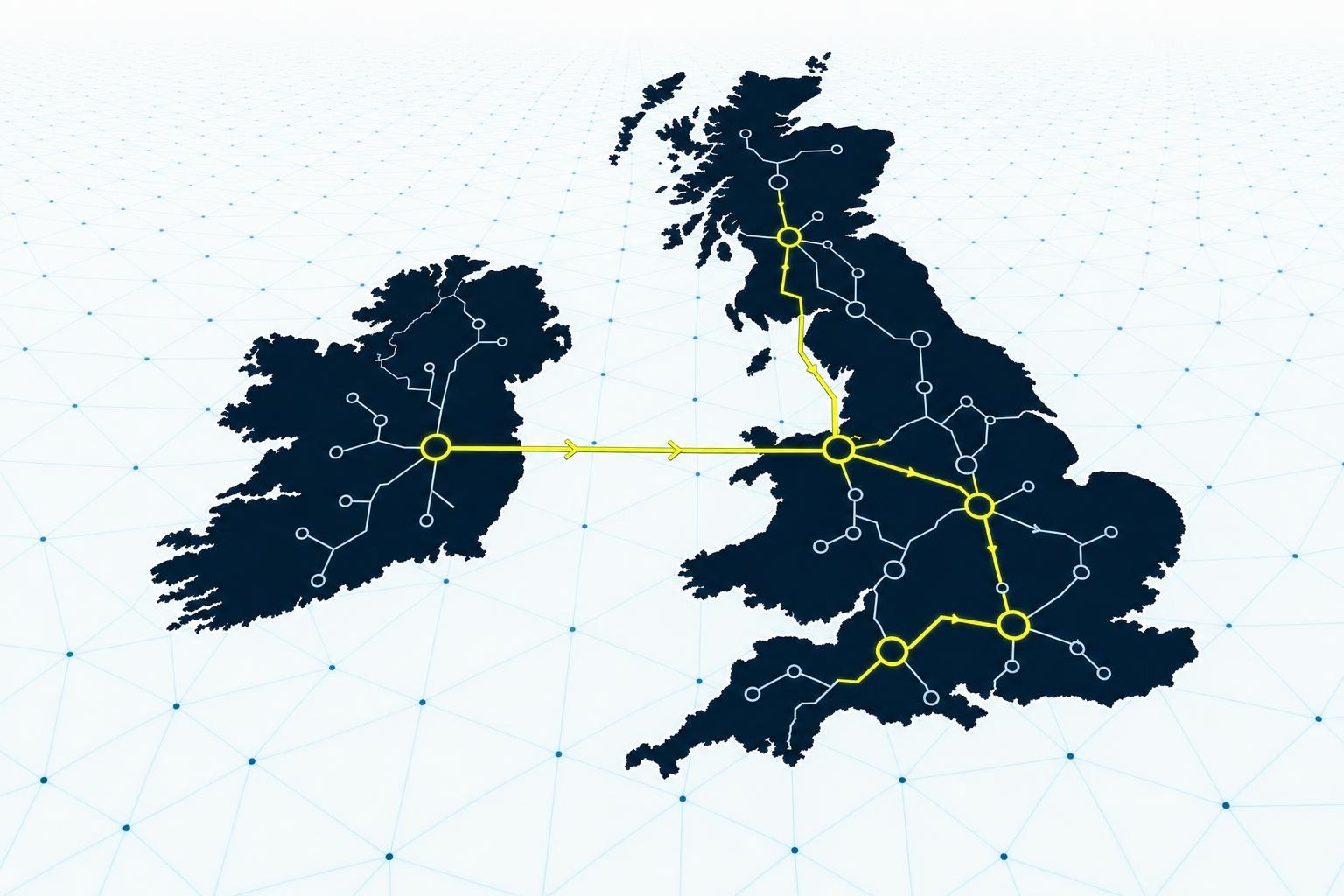
Ofgem has opened a consultation on proposed changes to Special Condition 3.21 of the gas transporter licence - the condition that governs the biomethane distributed entry reinforcement "use it or lose it" (UIOLI) allowance for gas distribution networks (GDNs) under RIIO-GD3. [1] The central proposal is to allow unused biomethane connection funding to be reallocated between networks within the same corporate group, rather than remaining stranded in a single network's pot.[1]
What Special Condition 3.21 does
Special Condition 3.21 - formally the Biomethane Distributed Entry Reinforcement (BDERt) UIOLI allowance - took effect on 1 April 2026 as part of the RIIO-3 price control period. The mechanism was introduced in Ofgem's RIIO-GD3 Final Determinations to fund reinforcement costs incurred by GDNs when new or existing biomethane producers seek entry capacity on the distribution network.
Each of the four GDNs - Cadent, SGN, Northern Gas Networks, and Wales & West Utilities - received a £20m UIOLI pot for the five-year RIIO-GD3 period, equivalent to £4m per year, with an individual project cap of £2m per connection. Any unspent annual allocation rolls forward into subsequent years rather than lapsing.
The mechanism was designed to give networks quick and flexible access to funding when biomethane producers need reinforcement works to connect. Under the existing rules, however, that funding is tied to the individual licensed network - it cannot cross to a sister network even if both sit under the same parent company.
The proposed change and why it matters
Great Britain's eight gas distribution networks are owned by just four companies: Cadent holds four networks, SGN holds two, with Northern Gas Networks and Wales & West Utilities each holding one. That ownership structure means a significant share of the total UIOLI pot is held across multiple Cadent or SGN licences simultaneously.
Where biomethane connection demand is geographically uneven - concentrated in one network area but absent in another - the current licence drafting leaves funding idle in one network while a neighbouring network in the same group runs short. The proposed modification to SC 3.21 would allow intra-group reallocation to address that mismatch.[1] Ofgem is consulting on the associated energy network ring fence licence modifications alongside its policy conclusions on the change.
The practical stakes are visible in the market. In Cadent's first biomethane cost-sharing assessment window, 38 applications were lodged to build new or expand existing biomethane plants - described by Cadent as potentially one of the most significant collective expansions of UK biomethane capacity to date. If connection demand clusters in particular network areas, the ability to shift unspent allowances within a corporate group could determine whether reinforcement funding keeps pace.
Regulatory context
The UIOLI mechanism sits alongside a broader cost-sharing model introduced at RIIO-GD3. Where reinforcement is needed, developers can receive up to £2m per connection; where multiple projects cluster in a constrained area, costs above that cap can be shared between developers. The intent is to reduce the burden on the first mover and lower barriers to entry for biomethane producers.
The Green Gas Support Scheme - which provides tariff support for biomethane and has historically underpinned connection economics - closes to new applications in March 2028. That deadline adds urgency to any mechanism that can accelerate reinforcement spending during the current price control window.
Ofgem is also separately consulting on proposed changes to the Biomethane Connections UIOLI governance document that applies to National Gas Transmission under RIIO-GT3, which funds connection costs onto the National Transmission System where no Green Gas Support Scheme support has been received.
What to watch
The key question for respondents is whether intra-group reallocation is sufficient, or whether the licence drafting should go further to allow reallocation across unrelated networks where demand is similarly mismatched. Cadent has previously argued that the £20m-per-network cap is too low and will be exhausted quickly in high-demand areas - a concern that intra-group flexibility alone may not resolve. Ofgem's decision on the ring fence licence modifications will also set a precedent for how regulatory boundaries interact with corporate group structures across the RIIO-3 period.
The images and texts on this page were created with the help of AI.
Related
Ready-to-build BESS projects lose their premium as Australia's NEM arbitrage spreads collapse 85%
Panellists at the Battery Asset Management Summit Australia 2026 said the venture-capital-style returns that once rewarded ready-to-build BESS projects have disappeared as NEM price spreads fell 85% in a year.
10 Sept 2026UK government opens three-month consultation on AI for clean energy, backed by 34-recommendation network review
DESNZ published its Vision for an AI-enabled clean energy system on 8 September, opening a call for evidence that closes 6 November and will feed into the UK's first AI for Clean Energy Strategy.
10 Sept 2026Heatwaves expose a three-layer risk for wind operators: resource, hardware, and people
Extreme heat cuts wind output, stresses nacelle components, and grounds maintenance crews - all at once. A look at how bad the summer of 2026 has been, and what the trend means for grid reliability.
10 Sept 2026