OATI seeks DOE SPARK funding for PowerNow, a software-only bid to add up to 20% bulk transmission capacity
OATI's PowerNow initiative applies for DOE SPARK funding, claiming dynamic line rating and AI dispatch could unlock 10-20% more bulk capacity without a single new wire.
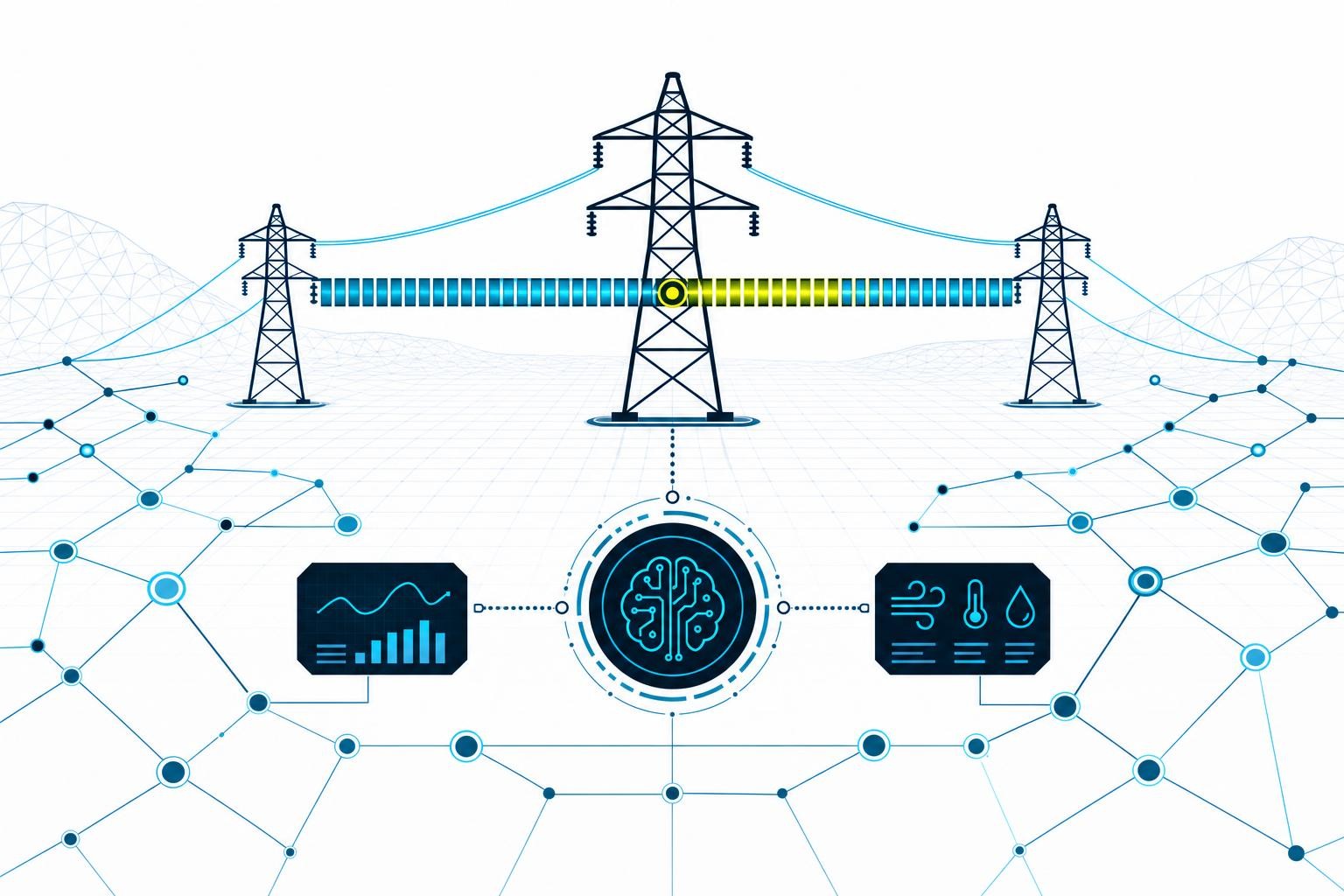
Minnesota-based Open Access Technology International has applied for a slice of the DOE's $1.9 billion SPARK grant program, arguing that software upgrades to the transmission management platform it already operates across roughly 95% of U.S. bulk power transactions could unlock 10% to 20% more capacity on the existing grid by 2030 - no new poles or wires required[1].
What PowerNow proposes
The initiative, branded PowerNow, rests on three technical pillars[1]:
- Dynamic line rating (DLR): Software-only DLR that uses weather and grid data to calculate real-time and multi-day-ahead line ratings, replacing the static thermal limits that artificially constrain power flows today.
- Near-real-time inter-regional coordination: Automated sharing of those ratings across neighboring grid operators so that transfer decisions reflect actual conditions rather than conservative worst-case assumptions.
- AI-enhanced resource dispatch: AI-driven congestion management that optimises how generation is scheduled against the more accurate headroom figures the first two pillars produce.
OATI chief operations officer Kevin Sarkinen framed the goal simply: "Just removing some individual constraints that bind power transfers is really the crux of what we're doing." The company also targets a 5% or greater reduction in transmission curtailments as a secondary metric[1].
The coalition and the funding ask
OATI submitted its PowerNow proposal in May 2026 for an undisclosed amount from the SPARK program, which DOE announced on 12 March 2026 and funds through the 2021 Infrastructure Investment and Jobs Act[1]. SPARK selections are expected later this month, with formal award announcements beginning in October, according to DOE[1].
The proposal is not a single-company effort. The PowerNow coalition spans CAISO, NYISO, Southwest Power Pool, PacifiCorp, Duke Energy, Florida Power & Light, Dominion Energy, Portland General Electric, Santee Cooper, Great River Energy, East River Electric, Lakeland Electric, and EPRI - covering all three U.S. interconnections[1]. That breadth is deliberate: OATI's argument to DOE is that its existing platform reach gives PowerNow a speed-and-scale advantage that a utility-by-utility rollout cannot match.
Executives have also clarified that the company plans to move forward with the initiative regardless of whether it secures the federal funding, though the grant would accelerate deployment.
Why the regulatory structure matters
One structural obstacle sits beneath the technical case. Current rate-making practice generally rewards capital expenditure that enters the rate base; operational software improvements on existing assets do not earn a comparable return. That misalignment has historically slowed adoption of grid-enhancing technologies even when the economics are clear.
SPARK was designed in part to bridge that gap by providing federal co-funding - most applicants must supply at least a 50% non-federal cost share - to make the business case work under existing incentive structures. OATI says it will bring significant matching funds to the table.
The Bipartisan Policy Center, in a January 2026 issue brief, identified a shared-savings mechanism as one of three priority policy actions needed to align utility incentives with the efficiencies grid-enhancing technologies can deliver. Without one, software-based capacity gains remain harder to monetise than steel in the ground.
What to watch
DOE selection notifications for SPARK are expected before the end of August 2026. If PowerNow is selected, the more consequential question will be how quickly OATI can translate a coalition of willing operators into a coordinated, cross-regional deployment - and whether the 10-20% capacity figure holds up against real-world inter-operator data-sharing constraints rather than modelled assumptions.
The images and texts on this page were created with the help of AI.
Related
Ready-to-build BESS projects lose their premium as Australia's NEM arbitrage spreads collapse 85%
Panellists at the Battery Asset Management Summit Australia 2026 said the venture-capital-style returns that once rewarded ready-to-build BESS projects have disappeared as NEM price spreads fell 85% in a year.
10 Sept 2026UK government opens three-month consultation on AI for clean energy, backed by 34-recommendation network review
DESNZ published its Vision for an AI-enabled clean energy system on 8 September, opening a call for evidence that closes 6 November and will feed into the UK's first AI for Clean Energy Strategy.
10 Sept 2026Heatwaves expose a three-layer risk for wind operators: resource, hardware, and people
Extreme heat cuts wind output, stresses nacelle components, and grounds maintenance crews - all at once. A look at how bad the summer of 2026 has been, and what the trend means for grid reliability.
10 Sept 2026