Mitsubishi Heavy Industries' large-frame gas turbine backlog hits 35 GW, up 52% in a year
MHI's large-frame gas turbine backlog reached 35 GW as of its Q1 FY2026 earnings, up from 23 GW a year earlier, with the company planning to double manufacturing capacity.
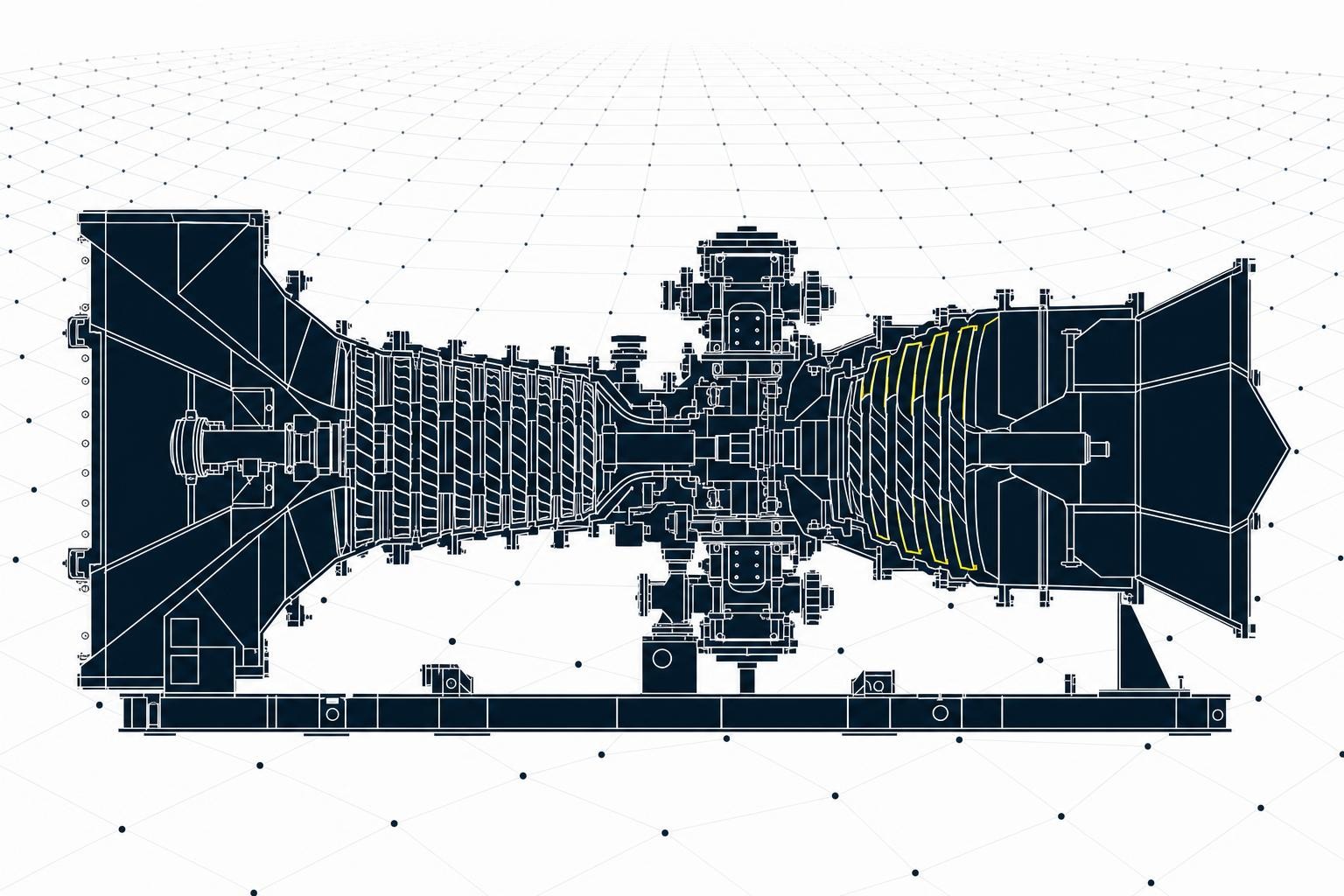
Mitsubishi Heavy Industries' large-frame gas turbine backlog stood at 35 GW as of the company's first-quarter fiscal 2026 earnings, up from 23 GW a year earlier - a 52% increase in twelve months[1]. CFO Hiroshi Nishio disclosed the figure during a briefing on 6 August 2026, describing a "strong supply-demand environment" for gas turbines in the U.S.[1]
What the order book shows
In its fiscal year 2025, Mitsubishi sold 35 large-frame gas turbines with a combined output of 16 GW[1]. The pace accelerated into the current year: the company booked 10 large-frame orders in Q1 FY2026 alone - four destined for the United States and six for Japan[1].
Mitsubishi's newly restructured Energy Systems division recorded order intake 56% higher year over year in the first quarter[1]. Nishio said demand for gas turbines and nuclear power had already met or exceeded the company's full-year expectations just three months into its 2026 financial plan[1].
Capacity expansion
The company plans to double its manufacturing capacity in response to the backlog[1]. That target follows an earlier, more modest goal: MHI had initially aimed for a 30% production increase before concluding it was insufficient to clear the queue. The primary production site is the Takasago Machinery Works in western Japan, where the company has been reviewing more than 1,000 processes across procurement, assembly, testing, and design to shorten lead times.
Orders for MHI's energy systems unit have climbed roughly 40% over the past year to 3.6 trillion yen (approximately $23 billion), driven by demand from utilities and data center developers seeking dispatchable capacity.
Where MHI sits in the market
The 35 GW backlog is large in absolute terms but modest relative to its two main competitors. Siemens Energy closed its fiscal third quarter (ended 30 June 2026) with a gas services backlog of 69 GW after booking 15 GW in new orders and shipping 6 GW during the period. GE Vernova's gas turbine backlog and slot reservations have reached 116 GW, with the company targeting 125 GW under contract by year-end.
Across all three manufacturers, the pattern is the same:
- Backlogs are measured in years of output, not months
- Lead times for large-frame units now run five years or more on average, against a historical norm of one to three years
- Manufacturing capacity - not demand - is the binding constraint
The global gas turbine market is expected to reach around 70 GW of annual orders in 2026, according to MHI's own projections, with the company forecasting demand staying near that level through 2030.
What to watch
MHI's capacity doubling plan has no firm public completion date. The pace at which Takasago can actually increase throughput - and whether component supply chains keep up - will determine whether the 35 GW backlog shrinks or continues to grow. The split between U.S. and Japanese orders in Q1 (four versus six) is also worth tracking: if U.S. utility and data center demand accelerates further, the domestic allocation could shift materially in coming quarters.
The images and texts on this page were created with the help of AI.
Related
Ready-to-build BESS projects lose their premium as Australia's NEM arbitrage spreads collapse 85%
Panellists at the Battery Asset Management Summit Australia 2026 said the venture-capital-style returns that once rewarded ready-to-build BESS projects have disappeared as NEM price spreads fell 85% in a year.
10 Sept 2026UK government opens three-month consultation on AI for clean energy, backed by 34-recommendation network review
DESNZ published its Vision for an AI-enabled clean energy system on 8 September, opening a call for evidence that closes 6 November and will feed into the UK's first AI for Clean Energy Strategy.
10 Sept 2026Heatwaves expose a three-layer risk for wind operators: resource, hardware, and people
Extreme heat cuts wind output, stresses nacelle components, and grounds maintenance crews - all at once. A look at how bad the summer of 2026 has been, and what the trend means for grid reliability.
10 Sept 2026