UC Santa Cruz and UCSB study in Science finds EV manufacturing debt repaid within three years across most U.S. grid regions
A study in Science by Campbell and Geyer finds that replacing a working gas car with an EV cuts 16-year lifecycle emissions by up to 58%, with the manufacturing carbon debt offset in roughly three years.
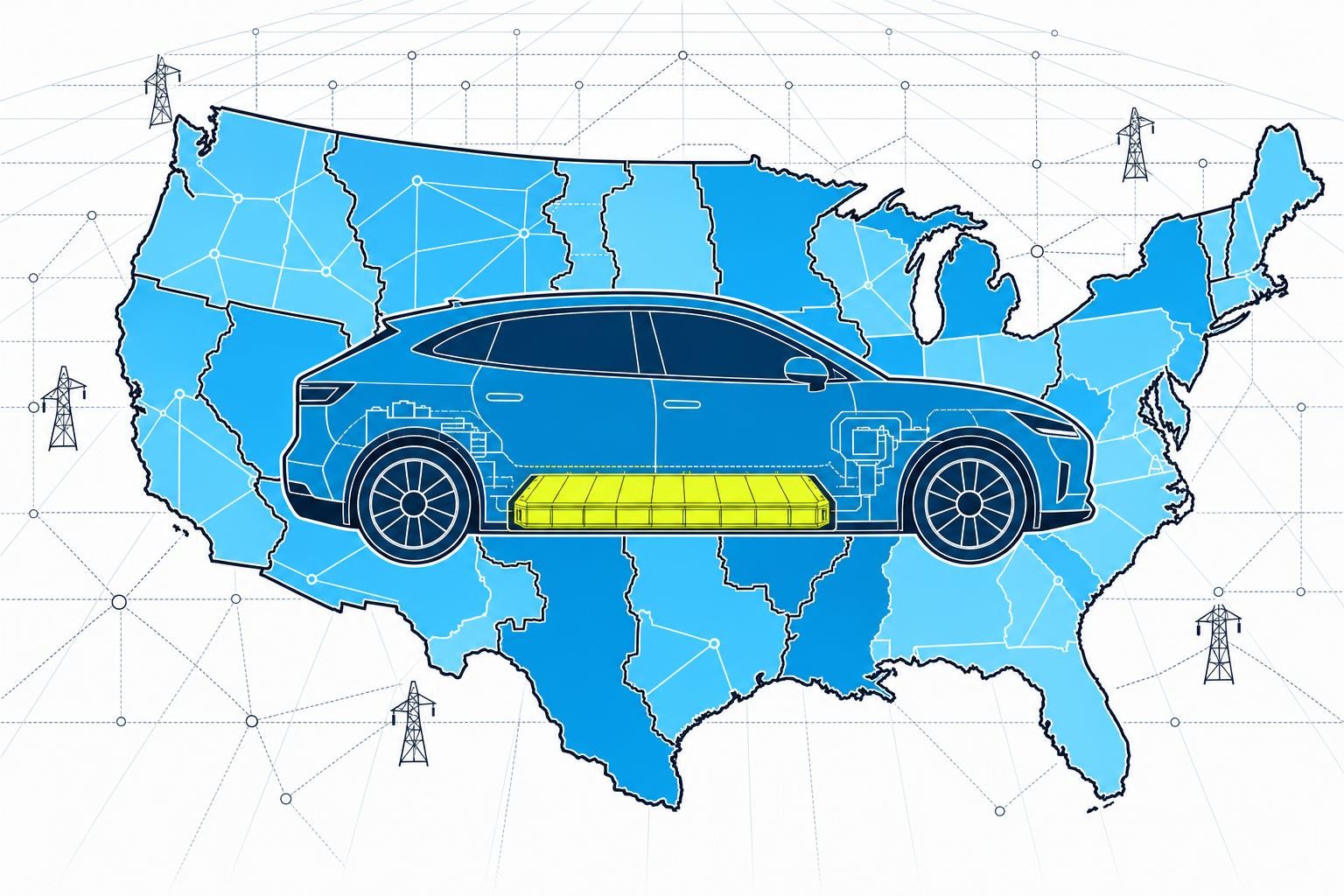
A paper published in Science by J. Elliott Campbell of UC Santa Cruz and Roland Geyer of UC Santa Barbara finds that replacing a gasoline vehicle with a battery electric vehicle in its first year of ownership cuts lifecycle carbon emissions by 58% over a 16-year period[1], settling a long-running debate about whether the carbon cost of building a new EV outweighs the benefit of retiring a working combustion engine early.
Why operating emissions dominate
The core finding turns on where a vehicle's carbon actually sits. Most of the carbon from a gasoline car comes out of the tailpipe over years of driving, not from the factory that built it - a structural asymmetry that makes early retirement far less wasteful than conventional wisdom assumed. Campbell put it directly: "The thing that is so unique about gas vehicles is that the vast majority of the energy goes into operating the vehicle, not building it."
That asymmetry means the manufacturing emissions embedded in a new EV are a one-time cost, while the tailpipe emissions of the car being replaced compound every year it stays on the road. The study found it typically takes about three years of EV driving to offset the emissions required to produce the replacement vehicle, after which every additional year of electric driving represents a net climate gain.
What the model covered
Campbell and Geyer ran the comparison across a wide parameter space:
- More than 400 gasoline and battery electric vehicle models, drawing on EPA efficiency data
- Varying grid electricity sources, vehicle mileages, battery sizes, and BEV manufacturing emissions
- Multiple replacement timelines, from year one through end of the gas vehicle's useful life (approximately 16 years)
In 92% of the scenarios modelled, replacing a gasoline car or hybrid with a BEV before end of life reduced overall carbon emissions. The researchers also validated their results against a separate database of 459 vehicle models and obtained nearly identical numbers.
The exceptions are narrow: benefits are smaller or absent for very low-mileage vehicles, some plug-in hybrids, and grids that remain heavily dependent on coal. Even so, for the most common gasoline models sold in the United States, early replacement makes climate sense even in areas with the dirtiest electric grids.
Grid decarbonization compounds the advantage
The study's findings are a floor, not a ceiling. As the U.S. grid continues to add wind and solar capacity, the carbon intensity of the electricity charging those EVs falls - widening the gap between the two lifecycles further. Battery recycling improvements will also reduce the manufacturing-side emissions embedded in future EVs, pushing the payback period below three years.
Campbell flagged a related material point: an EV carries roughly 0.5 tonnes of battery, while a gasoline vehicle can consume 20 tonnes of petroleum over its life. Batteries can be recycled; combustion products cannot be recovered.
Policy implications
The paper explicitly endorses scrap-and-replace programs - subsidies or incentives that make early gas-car retirement financially viable for drivers who would not otherwise be in the market for a new vehicle - as an effective climate tool that could be expanded. That framing is directly relevant to state-level clean vehicle programs and federal tax credit design, particularly as the IRA's EV credit structure continues to be debated in Congress.
The study is published as Science 393 (6811), pp. 591-595 (2026), DOI: 10.1126/science.adv5441. The grid-carbon sensitivity analysis is the variable most worth watching as regional clean energy build-out proceeds unevenly across U.S. markets.
The images and texts on this page were created with the help of AI.
Related
Ready-to-build BESS projects lose their premium as Australia's NEM arbitrage spreads collapse 85%
Panellists at the Battery Asset Management Summit Australia 2026 said the venture-capital-style returns that once rewarded ready-to-build BESS projects have disappeared as NEM price spreads fell 85% in a year.
10 Sept 2026UK government opens three-month consultation on AI for clean energy, backed by 34-recommendation network review
DESNZ published its Vision for an AI-enabled clean energy system on 8 September, opening a call for evidence that closes 6 November and will feed into the UK's first AI for Clean Energy Strategy.
10 Sept 2026Heatwaves expose a three-layer risk for wind operators: resource, hardware, and people
Extreme heat cuts wind output, stresses nacelle components, and grounds maintenance crews - all at once. A look at how bad the summer of 2026 has been, and what the trend means for grid reliability.
10 Sept 2026