Amogy and 2G Energy complete ammonia-to-power test targeting data center deployment
Amogy and 2G Energy completed integrated ammonia-to-power testing at Amogy's Houston facility on 3 August 2026, pairing an ammonia reformer with a 500 kW reciprocating engine-generator.
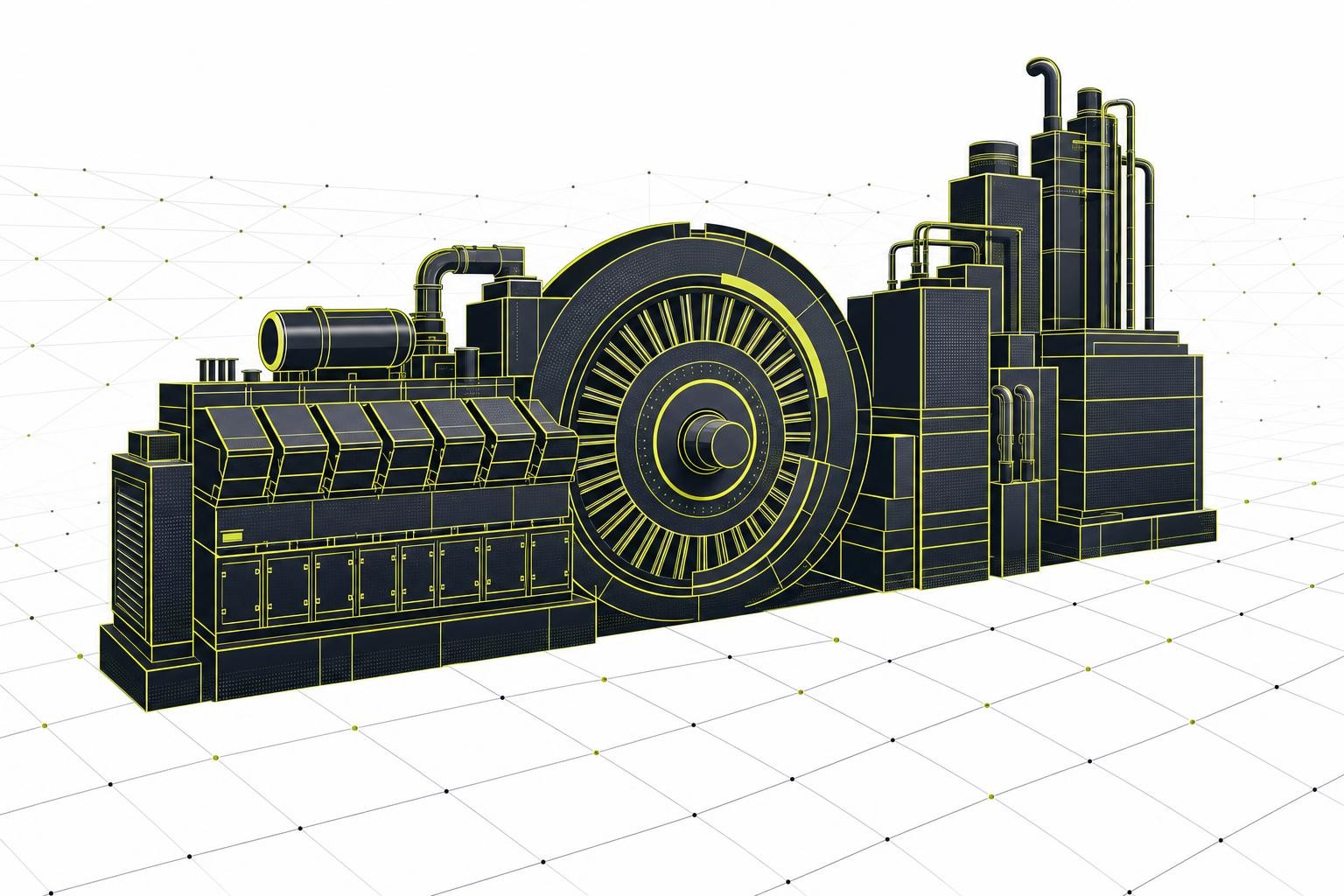
Amogy and Germany's 2G Energy completed integrated ammonia-to-power testing at Amogy's Houston facility on 3 August 2026, pairing an ammonia reformer with a 2G Agenitor 412 reciprocating engine-generator set capable of 500 kW electrical output at full load[1]. The test, conducted under the companies' AMMDrive™ platform, is positioned as a step toward commercial behind-the-meter power for data centers and other power-intensive facilities struggling to secure grid connections.
How the system works
Rather than burning ammonia directly, Amogy's reformer converts it into a hydrogen-rich gas before sending the fuel to the engine, which then generates electricity from that reformate. Operators can also configure the same engine to run on natural gas, allowing facilities to switch fuel sources as operational needs change.[1]
The 2G engine can additionally be configured as a cogeneration system, producing electricity and usable thermal energy - such as hot water - simultaneously to maximise overall system efficiency.[1] For a data center, that thermal output could offset cooling loads, though neither company has disclosed specific efficiency figures for the ammonia-fuelled configuration in this test.
The demonstration confirmed the core technical interface between the ammonia reformer and engine, including fuel delivery, controls, and integrated system operation.[1]
The dual-fuel logic
The design reflects a commercial calculation that is becoming common across behind-the-meter generation: operators cannot wait for low-carbon fuel supply chains to mature before they need power capacity. The system allows use of readily available natural gas today while establishing a phased transition towards ammonia over time, helping data centers address immediate power needs while supporting longer-term decarbonisation goals.[1]
The unit's modular architecture would permit phased capacity expansion, which the companies claim will align power availability with the development of data center builds.[1] That modularity matters in a market where interconnection queues can stretch years and large-load customers are increasingly expected to bring their own generation to the point of connection.
Where Amogy is building its commercial pipeline
The Houston test is not Amogy's only active commercial push. In June 2026, Amogy signed a supply agreement with South Korea's Amun Energy for a project in Pohang that will begin with a 1 MW pilot system before scaling to 40 MW of installed ammonia-based power generation capacity by 2029. Amogy has also signed a partnership with Japan-based Hoku Infrastructure to identify opportunities to integrate ammonia-to-power technology in data centers and other off-grid applications in Japan and Asia.
The companies plan to pursue joint deployments in the US, Asia, and other regions following the Houston demonstration.
What to watch
The immediate next step is optimisation: following the tests, the partners will seek to optimise the integration of the two technologies for future deployments.[1] The harder questions - ammonia supply chain reliability, delivered cost per MWh against grid alternatives, and how regulators treat on-site ammonia storage at data center campuses - remain unanswered in the public record. Commercial deployment timelines and any customer announcements will be the signal that this moves from demonstration to infrastructure.
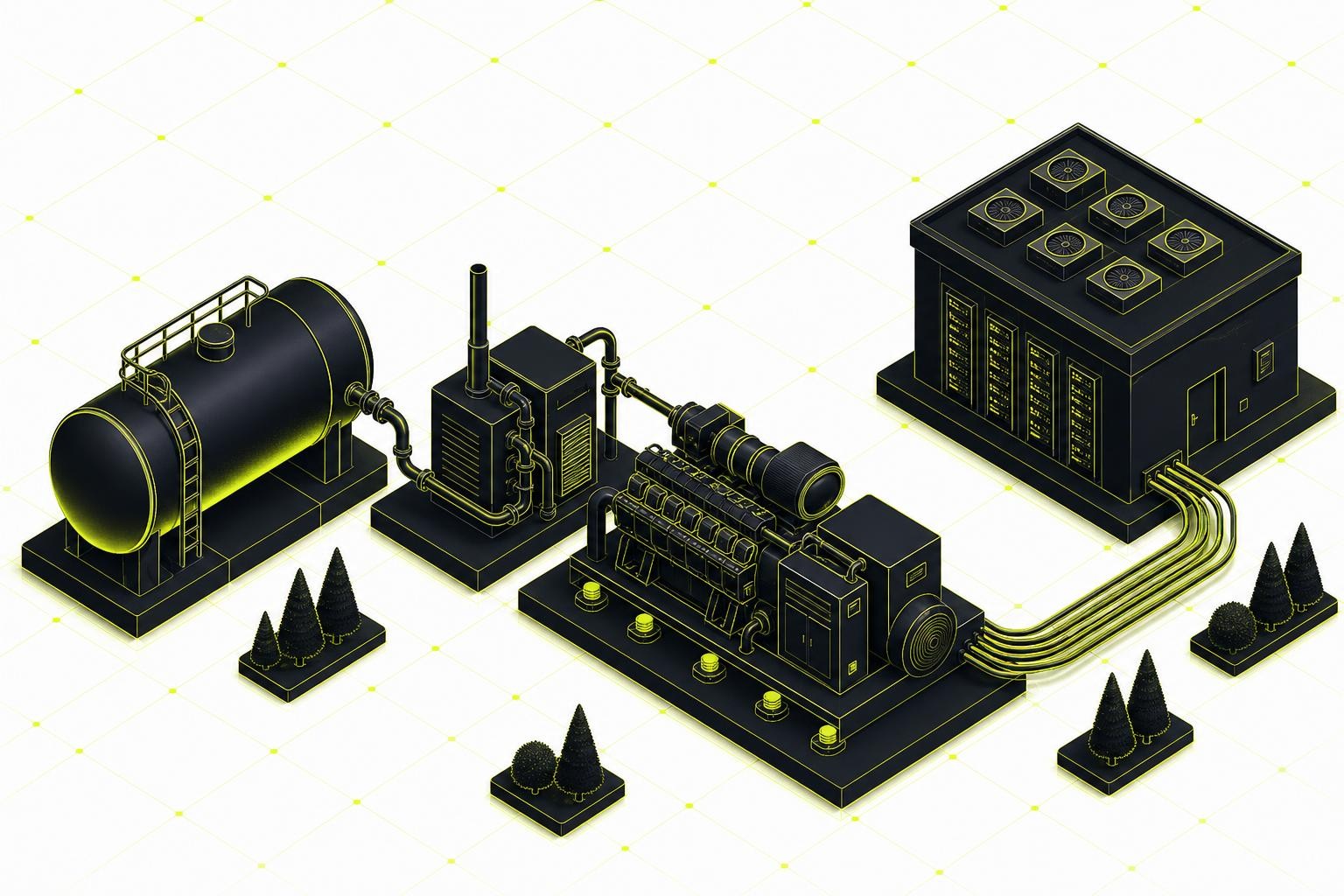
The images and texts on this page were created with the help of AI.
Related
Ready-to-build BESS projects lose their premium as Australia's NEM arbitrage spreads collapse 85%
Panellists at the Battery Asset Management Summit Australia 2026 said the venture-capital-style returns that once rewarded ready-to-build BESS projects have disappeared as NEM price spreads fell 85% in a year.
10 Sept 2026UK government opens three-month consultation on AI for clean energy, backed by 34-recommendation network review
DESNZ published its Vision for an AI-enabled clean energy system on 8 September, opening a call for evidence that closes 6 November and will feed into the UK's first AI for Clean Energy Strategy.
10 Sept 2026Heatwaves expose a three-layer risk for wind operators: resource, hardware, and people
Extreme heat cuts wind output, stresses nacelle components, and grounds maintenance crews - all at once. A look at how bad the summer of 2026 has been, and what the trend means for grid reliability.
10 Sept 2026